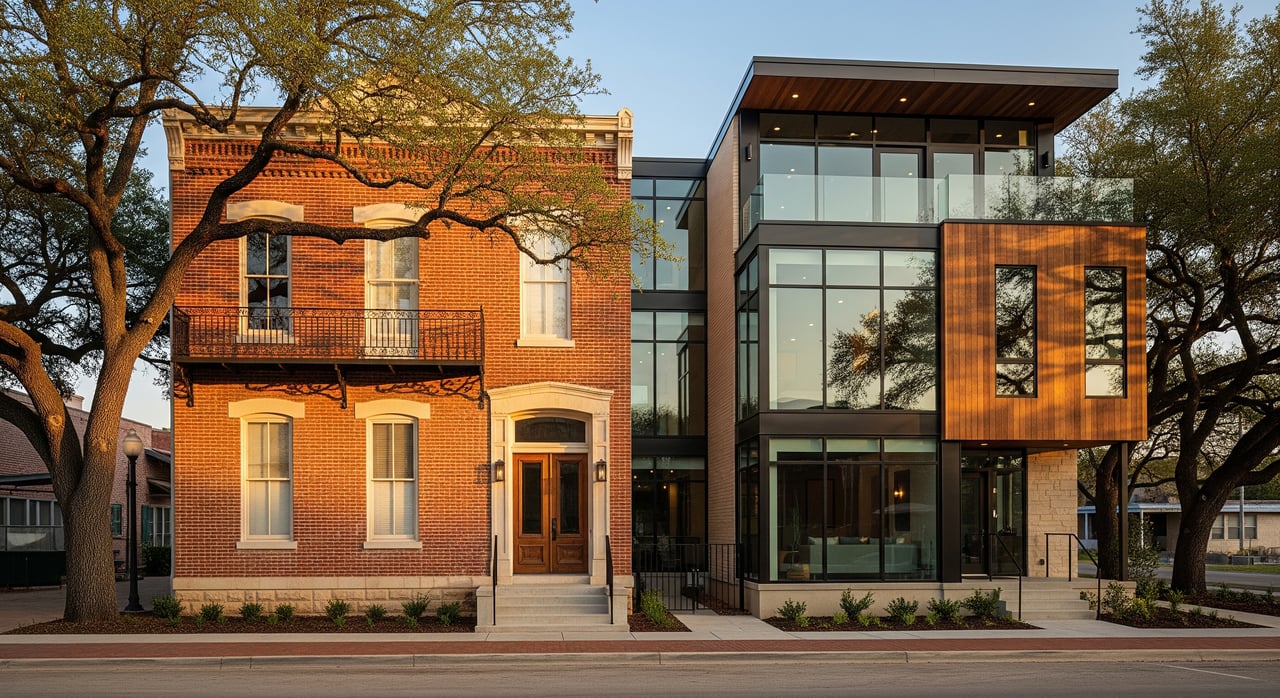
Torn between the charm of a front-porch bungalow and the convenience of a brand-new build in Downtown Bryan? You are not alone. Many buyers love this district’s walkable streets, dining, and proximity to College Station and Texas A&M, but the choice between historic character and modern efficiency can feel complex. In this guide, you will learn the key tradeoffs, what to inspect, which approvals to expect, and how to plan your budget and timeline with confidence. Let’s dive in.
Downtown Bryan at a glance
Downtown Bryan has seen steady revitalization with a mix of historic buildings, adaptive reuse, and targeted infill construction. You will find lifestyle buyers who value walkability, small-lot living, and easy access to shops, cafes, and cultural venues. There is also steady interest from professionals and relocators who want proximity to campus and local employers, plus investors targeting rentals and short-term stays.
The climate matters here. Brazos County’s hot, humid summers mean you should pay attention to HVAC capacity, moisture control, and the potential for termites or other pests. Because of the Brazos River and nearby creeks, always check a specific address for floodplain status and insurance needs before you buy.
Renovation and structure
What to expect with historic homes
Historic houses in Downtown Bryan can feature original details, wood floors, and mature landscaping. They may also come with older systems. Common finds include dated electrical like knob-and-tube or undersized wiring, galvanized plumbing, and early slab or pier-and-beam foundations that show settling or uneven floors. If the home predates about 1978, plan for lead-based paint risk and the possibility of asbestos in some materials. Moisture and termite damage are common maintenance drivers in this climate.
Specialist inspections are smart. A thorough general inspection, plus foundation and crawlspace checks, sewer scoping, and a roof review can uncover issues early. If you are considering renovations, testing for lead and asbestos helps you plan safe and compliant work.
What to expect with new infill homes
Newer infill construction typically meets current building and energy codes. You can expect modern electrical, plumbing, and HVAC, with fewer immediate surprises. That said, build quality still varies. A new-home inspection and careful punch-list review are important. Verify builder credentials, warranty terms, and coverage duration for structural items and workmanship so you know what is protected and for how long.
Timeline and disruption
If you plan to renovate a historic home, expect a longer timeline. Older buildings can reveal surprises once walls open up, and in a historic district, some exterior changes will require approvals. If you are purchasing a finished new build, move-in can be quick. If the home is under construction, a reputable builder should provide a predictable schedule.
Energy efficiency and utilities
Baseline differences
New construction generally benefits from modern insulation levels, high-performance windows, and efficient HVAC. Older homes often have lower thermal performance, which can lead to higher utility costs if not upgraded. The good news is that many older houses can be improved with the right plan.
Practical upgrades for older homes
You can make a historic home more efficient without losing its character. Prioritize air sealing, attic insulation, and right-sized HVAC improvements. Where possible, consider window restoration versus full replacement to balance comfort and preservation. An energy audit using blower-door testing and thermal imaging can help you target the upgrades that matter most.
Local incentives and who to call
Energy-efficiency rebates may be available for HVAC, insulation, or lighting. Confirm current programs and eligibility with Bryan Texas Utilities. National guidance from reputable programs such as ENERGY STAR and the U.S. Department of Energy can help you sequence upgrades.
Style, lifestyle, and neighborhood character
Historic homes offer a strong sense of place, original architectural details, and mature tree cover that many buyers prize in a walkable downtown setting. New infill homes can deliver open layouts, modern systems, and low-maintenance finishes that fit a busy lifestyle. Think about how the exterior materials, additions, or new construction will sit within Downtown Bryan’s established streetscapes. Consider lot size, parking, and how you plan to use outdoor space.
Maintenance and lifecycle costs
Every home needs ongoing care. Budget for roofs, gutters, exterior paint or masonry, foundation grading and drainage, HVAC replacement cycles, plumbing and electrical updates, and pest control. Historic homes often need more near-term work and specialist trades for tasks like window restoration or masonry repair. New construction may have lower initial maintenance but still carries cyclical costs for systems and appliances over time.
Financing, insurance, and resale
If your plan includes renovations, ask lenders about renovation mortgages that can fold improvements into the loan. Options include FHA 203(k), Fannie Mae HomeStyle, and VA renovation loans, subject to eligibility and lender requirements. For new infill builds, conventional financing or construction-to-perm loans are common.
Insurance can vary. Historic homes may carry higher premiums if they retain older systems or materials. New construction is typically straightforward to insure, but confirm coverage details for builder warranties and workmanship claims. On resale, well-restored historic properties can command premium value due to character and scarcity, while newer homes attract buyers who want modern amenities and efficiency. Build quality, finishes, and how well the property fits the neighborhood all matter.
Rules, permits, and flood
Historic district approvals
Parts of Downtown Bryan include historic resources with locally adopted guidelines. Exterior changes, additions, demolition, and new construction may require approval from a historic preservation commission or design review board. Contact the City of Bryan Planning and Development or the Historic Preservation Officer early to confirm if a property is within a historic overlay and what approvals are needed.
Permits and building codes
Renovations that alter structural elements or change mechanical, electrical, or plumbing systems usually require permits and inspections. New construction must meet current building and energy codes. For larger projects, a pre-application meeting with the permit office can help set timelines and document requirements.
Taxes and incentives
Improvements can change your assessed value. Check with the Brazos County Appraisal District to understand how renovations could affect taxes. Historic rehabilitation incentives exist at the federal and state level for certain income-producing properties, but you should verify current program details with the Texas Historical Commission and the City of Bryan.
Floodplain and utilities
Check FEMA and City of Bryan floodplain maps for any property you are considering. Flood insurance may be required in higher-risk zones. New construction can trigger stormwater or grading requirements on small lots, so coordinate with the city’s engineering and stormwater staff. For remodels or new builds, contact Bryan Texas Utilities to confirm service capacities and explore any efficiency programs.
How to tour: a side-by-side checklist
Use this when comparing a historic home and a newer infill property on the same day.
- Exterior and envelope
- Roof age and condition, gutters, and site drainage
- Foundation type, visible settling, or prior repairs
- Window condition and operability, original versus replaced
- Any historic district guidelines or restrictions noted by the seller
- Systems and mechanical
- Age and condition of HVAC, water heater, electrical panel, and plumbing
- Recent upgrades or deferred maintenance
- Interior and finishes
- Original features and their condition, such as floors and moldings
- Layout functionality for kitchens, baths, and storage
- Quality of prior renovations
- Energy and comfort
- Attic insulation levels and signs of air leakage
- HVAC capacity relative to house size
- Window glazing and shading
- Site and neighborhood
- Lot size, parking options, and setbacks
- Proximity to downtown amenities and typical street activity
- Planned nearby development, if known
- Cost and timing
- Immediate work needed and estimated timeline
- Builder or seller warranties, HOA or district guidelines, and permit status
Recommended inspections
For historic homes
- General home inspection covering structure, HVAC, plumbing, and electrical
- Termite and pest inspection
- Sewer or septic scope, where applicable
- Foundation and crawlspace inspection for moisture, piers, and beams
- Roof inspection
- Lead-based paint risk assessment for pre-1978 homes
- Asbestos survey if suspect materials are present
- Mold and moisture assessment, including HVAC ducting
- Energy audit with blower-door testing and thermal imaging
For new or recent infill
- New-home inspection and punch-list review
- HVAC load calculation and install verification
- Water intrusion and grading assessment
- Energy performance testing if efficiency is a selling point
- Warranty verification for roof, appliances, and structural coverage
Work with the right pros
If you are planning a historic renovation, prioritize contractors and architects with preservation experience. Ask for references for comparable projects. For infill or new builds, confirm builder history, portfolio, and warranty structure. Obtain multiple bids and a clear scope of work. For older homes, build in a contingency reserve of 10 to 20 percent for surprises that may arise during demolition.
Your next steps in Downtown Bryan
- Clarify your lifestyle priorities. Decide if you value original character and walkability or if turnkey convenience and low-maintenance living is more important right now.
- Verify property specifics. Request available repair records and foundation documents, check floodplain status, and confirm whether the address sits in a local historic overlay.
- Line up inspections. Schedule the right mix of inspections based on the property’s age and condition.
- Explore financing early. If renovations are part of the plan, discuss renovation loan options and timelines with your lender.
- Talk with the city and utilities. A quick call with Planning and Development, the Historic Preservation office, and Bryan Texas Utilities can prevent surprises.
When you are ready to compare real homes side by side, connect with a local guide who knows the details that matter in Downtown Bryan. Reach out to Laura Lea Smith to plan a paired tour and create a clear, property-specific path to your next home.
FAQs
What is the key difference between new construction and historic homes in Downtown Bryan?
- New builds offer modern systems and code-level efficiency, while historic homes provide unique character and established streetscapes but may require system upgrades and longer renovation timelines.
Do I need approval to renovate a historic home in Downtown Bryan?
- Exterior changes, additions, demolition, or new construction in a local historic overlay may require review and approval by the City of Bryan’s historic preservation authorities.
How do energy costs compare between older and new homes in Brazos County?
- New homes typically perform better due to modern insulation and HVAC, while older homes can reduce costs through air sealing, insulation, right-sized HVAC, and targeted energy audits.
What inspections should I order before buying an older home in Bryan?
- In addition to a general inspection, consider foundation and crawlspace checks, termite and pest inspections, sewer scoping, roof inspection, and testing for lead, asbestos, and moisture.
Which loans can help finance renovations on a historic property?
- Ask lenders about FHA 203(k), Fannie Mae HomeStyle, and VA renovation loans, which can bundle rehab costs with your mortgage if you qualify.
Do I need flood insurance for a home near Downtown Bryan?
- It depends on the specific address and floodplain designation; check FEMA and City of Bryan maps to determine insurance requirements and building restrictions.