Thinking about listing your place in Downtown Bryan and not sure where to start? You’re working with a historic district, a mixed-use buyer pool, and a market that shifts block by block. With the right prep, pricing, and marketing, you can showcase your home’s character and capture strong offers. This guide gives you a clear plan tailored to Downtown Bryan so you can list with confidence. Let’s dive in.
Why Downtown Bryan is different
Downtown Bryan is a revitalized historic core with restaurants, galleries, events, and a growing mix of residential and live-work spaces. Buyers here value walkability and charm, not just square footage. Think evenings at First Friday, shows at the Queen Theater, and the boutique energy around landmarks like the LaSalle Hotel and the Varisco building. For lifestyle context and events, explore the local guide to Downtown Bryan’s walkable scene.
As of late 2025 to early 2026, citywide Bryan prices have generally sat in the low-to-mid $300k range. Downtown’s median often tracks in a similar band, but values vary because inventory includes small historic homes, renovated commercial conversions, and newer infill townhomes. The mix means pricing is less cookie-cutter and more about selecting the right comparables.
What the historic listing means for you
On January 22, 2026, Downtown Bryan was added to the National Register of Historic Places as the Downtown Bryan Historic District. You can review the official record on the Texas Historical Commission’s site for the Downtown Bryan Historic District.
Here is what that means for a seller:
- The National Register listing is primarily honorary for private owners. It does not, by itself, restrict what you can do with your property.
- Local zoning and any city design standards still apply to exterior changes. If you plan to renovate before listing, reach out to the City of Bryan’s planning or preservation staff early.
- If your property is income-producing or a commercial conversion, it may be eligible for rehabilitation tax credits: the federal 20 percent credit and the Texas 25 percent credit. These programs require certified rehabilitation and multi-step review. Learn more on the Texas Historic Preservation Tax Credits page.
Your pre-list checklist
Use this quick plan 2 to 6 weeks before you go live.
- Confirm paperwork: title details, permits, and any rehab invoices. Create a folder with warranties and appliance manuals.
- Knock out simple repairs: safety items, visible leaks, door hardware, and sticky windows. Small fixes show up well in photos.
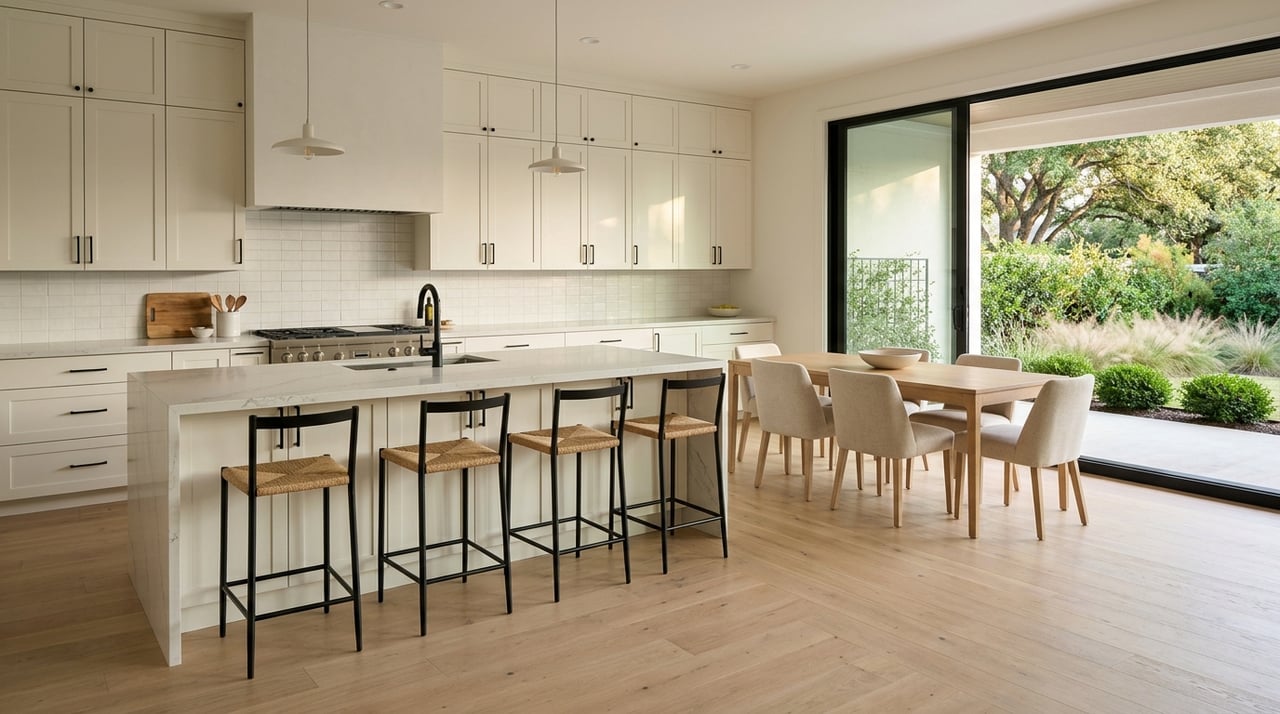
- Decide on staging: full, partial, or DIY. Schedule photography and a 3D tour after staging is set.
- Consider a pre-listing inspection if your home has older systems or a conversion. It reduces surprises during escrow.
- Prepare disclosures: Texas law requires a Seller’s Disclosure Notice for most single-family sales. Have it ready to deliver by the contract’s effective date. Review Texas Property Code §5.008 on the Seller’s Disclosure Notice requirement.
Legal must-knows in Texas
- Seller’s Disclosure Notice: Provide it on or before the effective date of the contract. If delivered late, a buyer may gain a short termination right under the statute. See the Texas Property Code §5.008.
- Lead-based paint: If your home was built before 1978, give buyers the EPA/HUD pamphlet and any known records. Access the EPA guide, Protect Your Family from Lead in Your Home.
- Property taxes: The Brazos Central Appraisal District handles appraisals and exemptions. Deadlines to protest or update exemptions typically fall around May 15 or 30 days after notice. Visit Brazos Central Appraisal District to verify dates and steps.
Pricing strategy for a mixed-stock district
Because Downtown Bryan includes historic homes, conversions, and newer infill, a smart pricing plan starts with the right comps and a tight lookback window.
Step 1: Group your comps by property type
- Renovated conversions with premium finishes and strong mixed-use potential
- Historically intact houses that are updated and move-in ready
- Older or as-is properties, plus investor resale comps
This reduces noise from very different product types and helps you see a true value band.
Step 2: Keep comps close and recent
Prioritize sales within 0.25 to 0.5 miles and 3 to 6 months. If inventory is thin, extend to 12 months. Appraisers weigh nearby and recent comps more heavily.
Step 3: Adjust with a clear checklist
Look closely at:
- Kitchen and bath updates, HVAC and roof age
- Historic details and ceiling heights
- Off-street parking and porch usability
- Permitted versus unpermitted work and conversion status
- Mechanical systems, life-safety updates, and certificate of occupancy for conversions
Step 4: Choose your pricing play
- Market-list: Price to secure a sale in the first 2 to 4 weeks. Use competitive pricing against similar renovated comps when you value speed.
- Value-max: Price at or just above strong renovated comps if you have premium features and top-tier presentation. This works best with professional staging, great photos, and lifestyle-driven copy.
- As-is or investor path: Price lower, disclose conditions clearly, and target investor channels if you prefer not to make updates.
Step 5: Plan for appraisal and financing risk
Unique historic properties and conversions can outpace nearby sales. Prepare a comps package that highlights recent relevant sales and documented upgrades. A pre-listing appraisal can help for very unusual properties. For local MLS access and market data, the Bryan–College Station Regional Association of REALTORS is a helpful starting point.
Presentation and staging that sell the lifestyle
Downtown buyers shop with emotion and practicality. Your listing should make both shine.
Staging checklist for historic homes
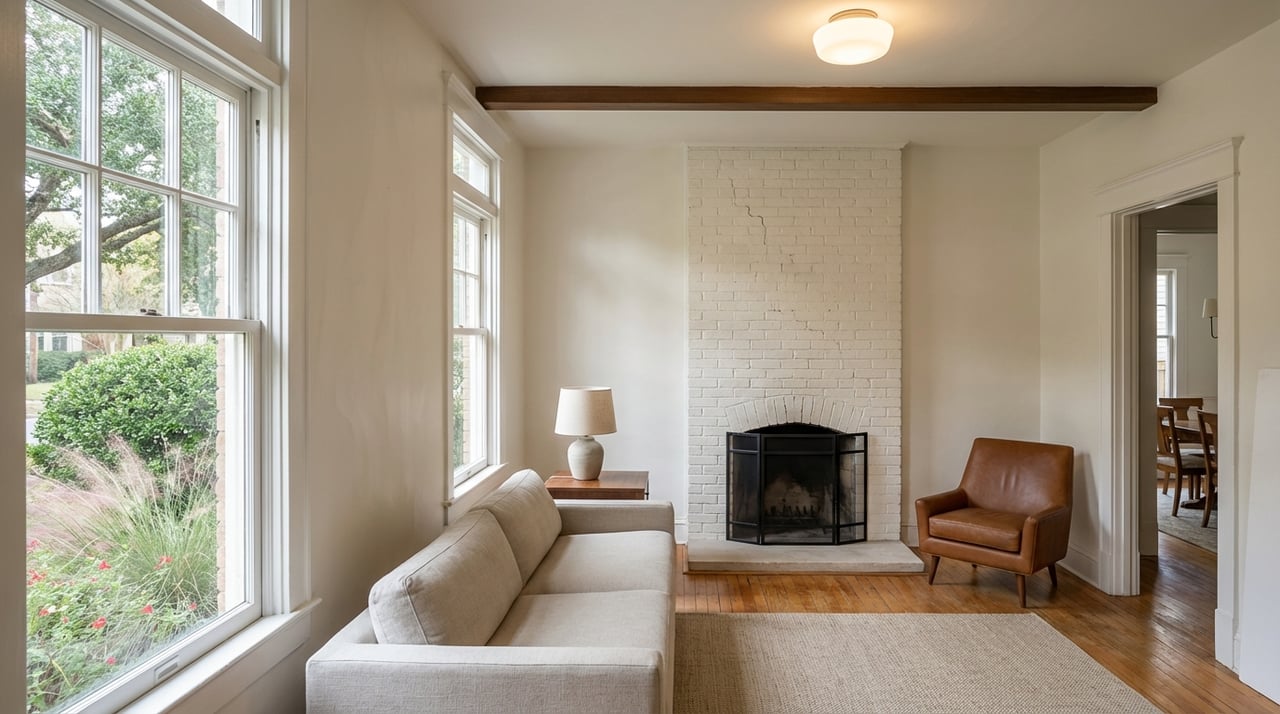
- Highlight original features: millwork, built-ins, hardwood floors, and porch details. Clean and repair rather than cover.
- Keep the palette neutral and reduce clutter. Add a few period-appropriate accents to reinforce authenticity.
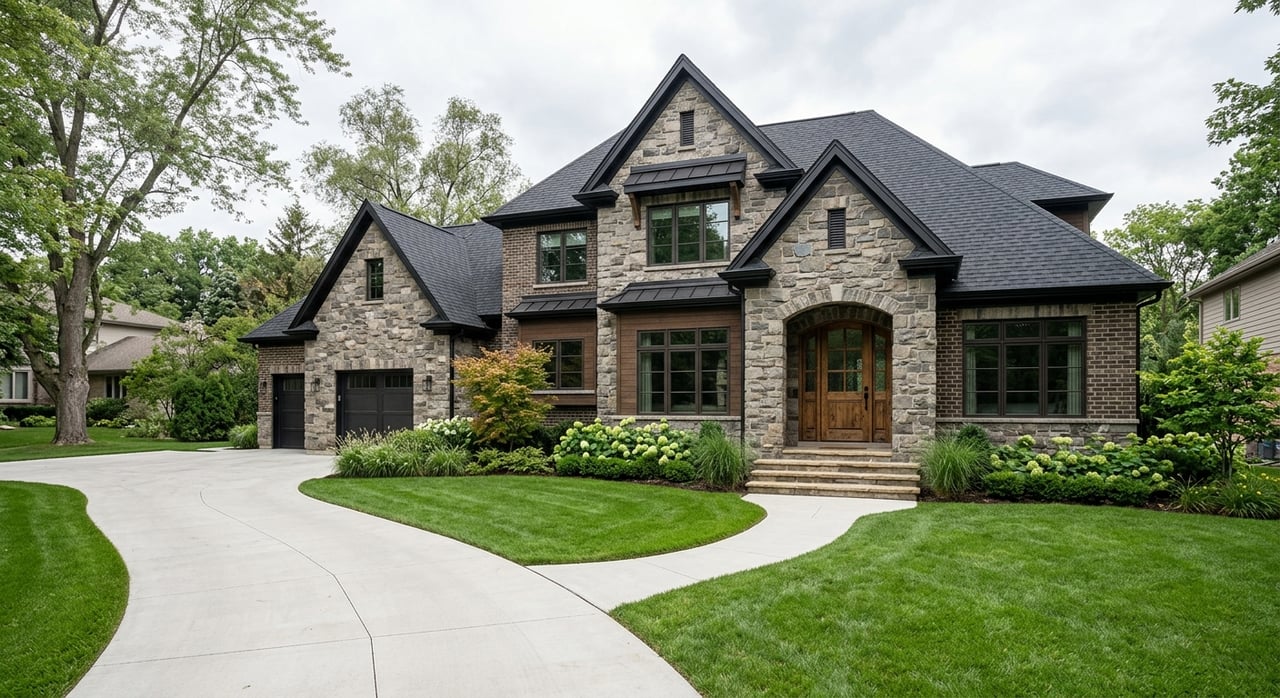
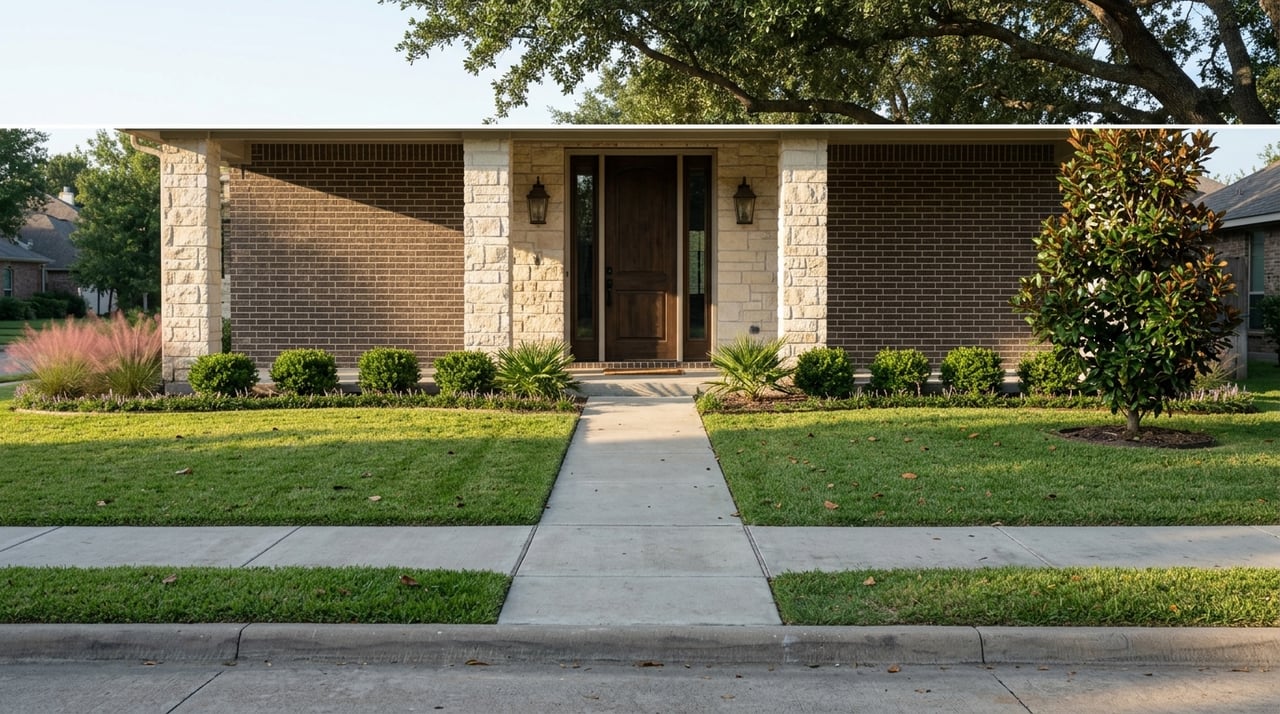
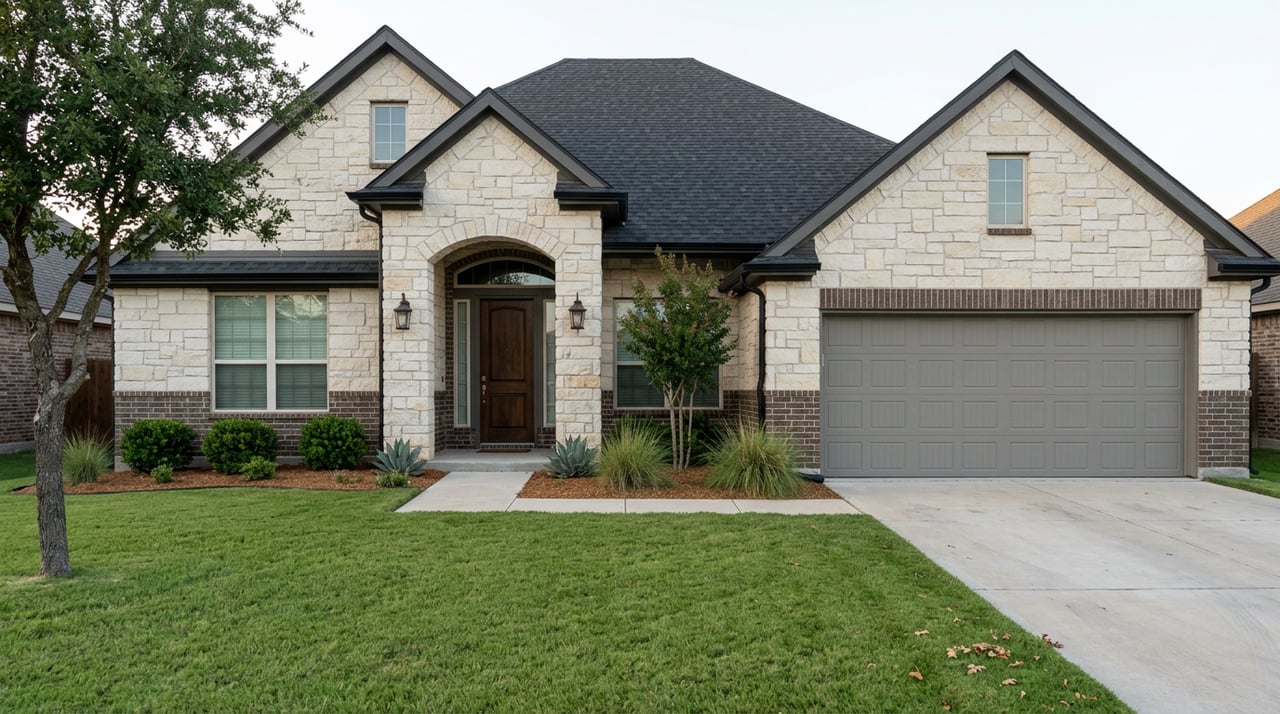
- Elevate curb appeal: tidy beds, a freshly painted or stained front door, and porch seating. Porches matter in walkable districts.
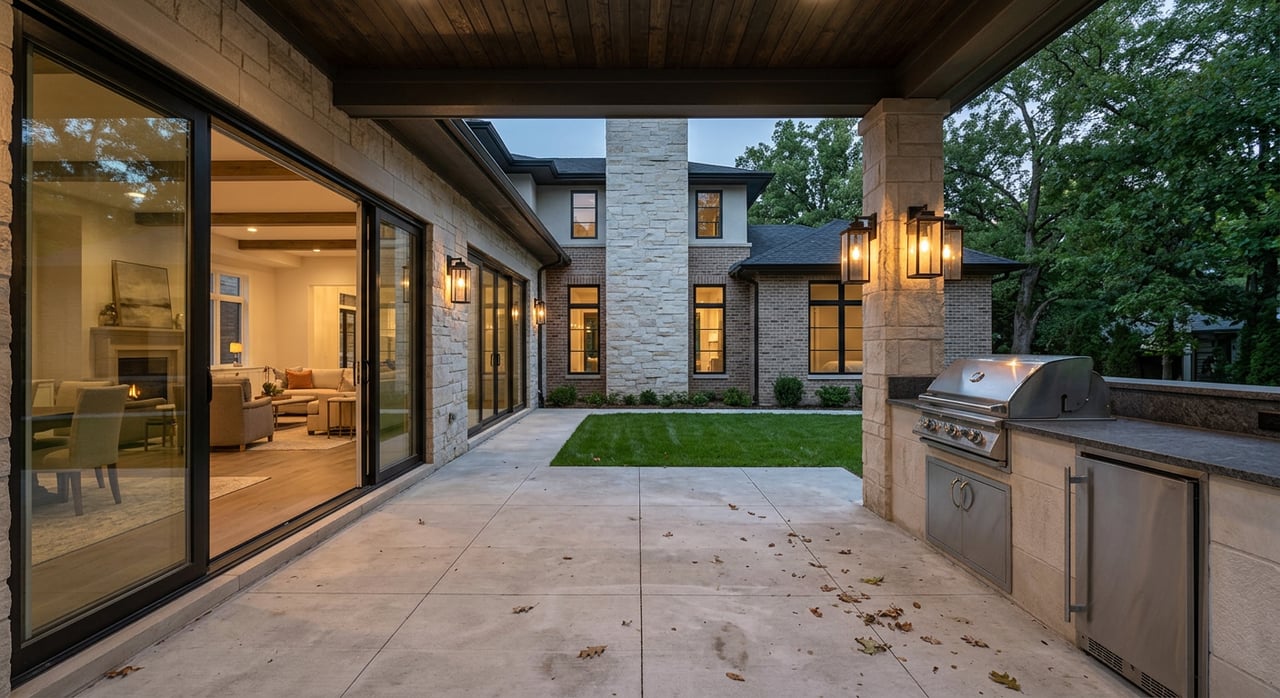
- Level up photography: interior, exterior, twilight, and a simple walkable map graphic showing nearby restaurants and venues. Consider a 3D tour for remote buyers.
- Support your pricing: a pre-listing inspection can reduce renegotiations and delays. For staging insights, see the National Association of REALTORS’ take on key rooms to stage.
Market the Downtown Bryan lifestyle
- Lead with walkability: First Friday, theater nights at the Queen, gallery hops, and dining options. Use a line in the description that paints that evening walk.
- Tell a short preservation story: construction era, thoughtful updates, and any expert-led restoration. If applicable, note the district’s National Register status and reference the official THC record.
- Add context photos: a tasteful streetscape or local cafe helps remote buyers connect to the setting. For event flavor, link to Destination Bryan’s downtown hub.
Marketing channels, showings, and logistics
- MLS exposure: Make sure your listing is on the Bryan–College Station MLS for maximum reach. Confirm photography, floor plan, and 3D tour go live together. Learn about our local MLS at the BCSRAOR site.
- Targeted outreach: Combine MLS syndication with social media reels that feature First Friday scenes and short neighborhood walks. Consider paid social to nearby ZIP codes or alumni audiences if lifestyle fit is strong.
- Showings and parking: Provide clear instructions for entry and parking. Weekend open houses timed with allowed downtown events can boost foot traffic.
- Transaction steps: In Texas, many contracts include an option period that lets the buyer terminate within an agreed time after paying an option fee. For plain-language guidance, review TREC’s frequently asked questions.
City programs and buyer confidence
The City of Bryan has supported downtown revitalization with programs like façade grants and TIRZ funding. If nearby properties benefited from these efforts, it can signal momentum to buyers. You can reference the city’s development highlights in the State of the City development services overview.
Timeline at a glance
- Pre-list, weeks 2 to 6: Gather permits, warranties, and receipts. Complete cosmetic and safety fixes. Decide on staging. Order photos and a 3D tour. Prepare your Seller’s Disclosure Notice.
- Listing day to week 2: Go live with full media. Send targeted emails to local agents and investor lists. Consider a broker preview and an event-timed open house if appropriate.
- Under contract to close, about 30 to 45 days: Expect inspections during the option period, lender appraisal, and underwriting. Keep your documentation ready for title and appraisal review, especially for historic renovations or conversion work.
Risks to anticipate and how to stay ahead
- Appraisal gaps: A standout renovation may price ahead of nearby sales. Prepare strong comps and upgrade documentation.
- Older systems and code items: Converted spaces may raise questions about mechanicals, ADA, fire egress, and hood systems. Gather permits and service records.
- Environmental and lead risks in pre-1978 homes: Provide the EPA pamphlet and any records. Share inspection findings early when possible. Use the EPA guide, Protect Your Family from Lead in Your Home.
- Tax timing: Transfers near appraisal-notice season can confuse exemption status. Direct buyers to Brazos Central Appraisal District for dates and filings.
Ready to list in Downtown Bryan with a plan that respects the district’s character and today’s market? Let’s craft the pricing, presentation, and marketing strategy your home deserves. Reach out to Laura Lea Smith to schedule your free consultation and home valuation.
FAQs
What does the National Register listing mean for Downtown Bryan property owners?
- The listing recognizes the district’s historic value and can open tax credits for qualifying income-producing rehabilitation, but it does not itself limit private owners; local zoning and design rules still apply.
How should I price a historic home or conversion in Downtown Bryan?
- Group comps by property type, keep the lookback tight, adjust for condition and permitted work, then choose a market-list, value-max, or as-is strategy based on your goals.
Do I need to provide a Seller’s Disclosure Notice in Texas?
- Yes, most single-family sales require it; deliver the notice by the contract’s effective date under Texas Property Code §5.008 to avoid giving the buyer a termination right.
What lead-based paint rules apply to older homes?
- For pre-1978 homes, you must give buyers the EPA/HUD lead brochure and any known lead records; see the EPA guide for details.
How can I highlight Downtown Bryan’s lifestyle in my listing?
- Use professional photos and copy that showcase walkability to First Friday, theaters, galleries, and dining, and include a simple map or neighborhood images to give buyers context.
What is the Texas option period and why does it matter to sellers?
- The option period is a negotiated window where the buyer can terminate for a fee; it affects your timeline and when inspections happen, so make sure you understand the terms before accepting an offer.