Thinking about buying a rental in Downtown Bryan but not sure where to start? In a market shaped by Texas A&M and a growing arts and culture scene, the right property can perform well if you buy and operate it with a clear plan. In this guide, you’ll see what drives demand, what property types are common, current rent context, the local development pipeline, and a simple underwriting checklist you can use on your next deal. Let’s dive in.
Why Downtown Bryan attracts renters
Downtown Bryan is a historic, walkable district with an active calendar of events and ongoing revitalization. The City highlights its 30-block core as a destination recognized as a “Great Place in Texas,” reflecting years of façade improvements and adaptive reuse that have brought new life to Main Street and beyond. You can read more about the district’s recognition on the City’s site under Downtown Bryan awards and initiatives.
The largest single demand driver in the Brazos Valley is Texas A&M University. The university reports total enrollment of 81,354 across all campuses, with 74,407 students at the College Station campus in Fall 2025. That scale creates recurring off-campus housing demand from students, faculty, and staff year after year. You can review those figures on the university’s official facts page at Texas A&M.
Taken together, Downtown Bryan’s destination feel and the steady Texas A&M pipeline support a consistent renter pool for smaller units and walkable loft-style living.
What you can buy downtown
Lofts and historic conversions
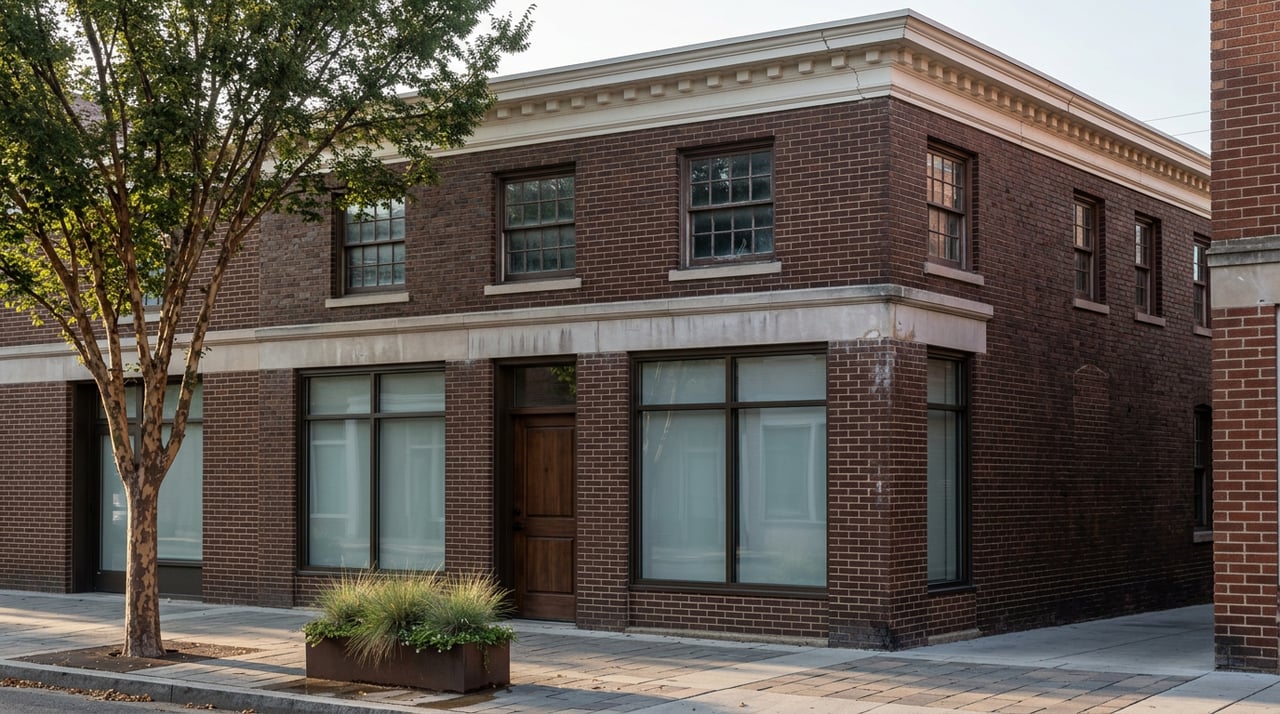
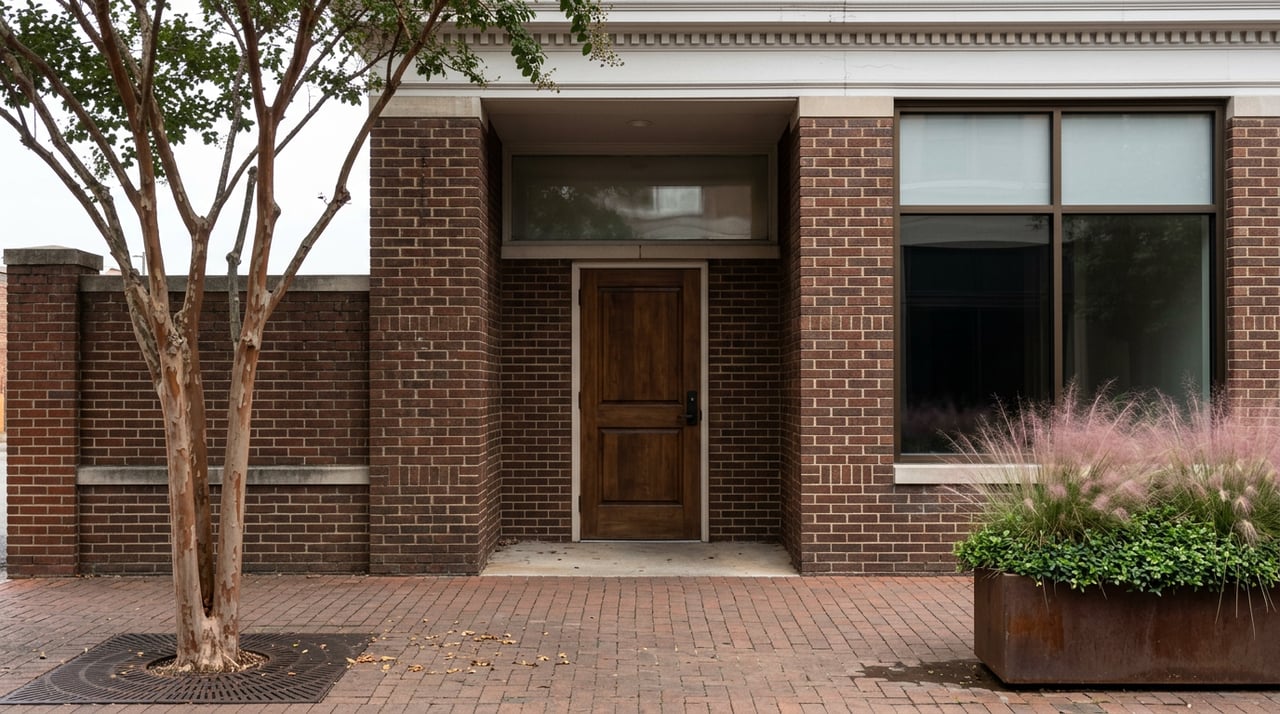
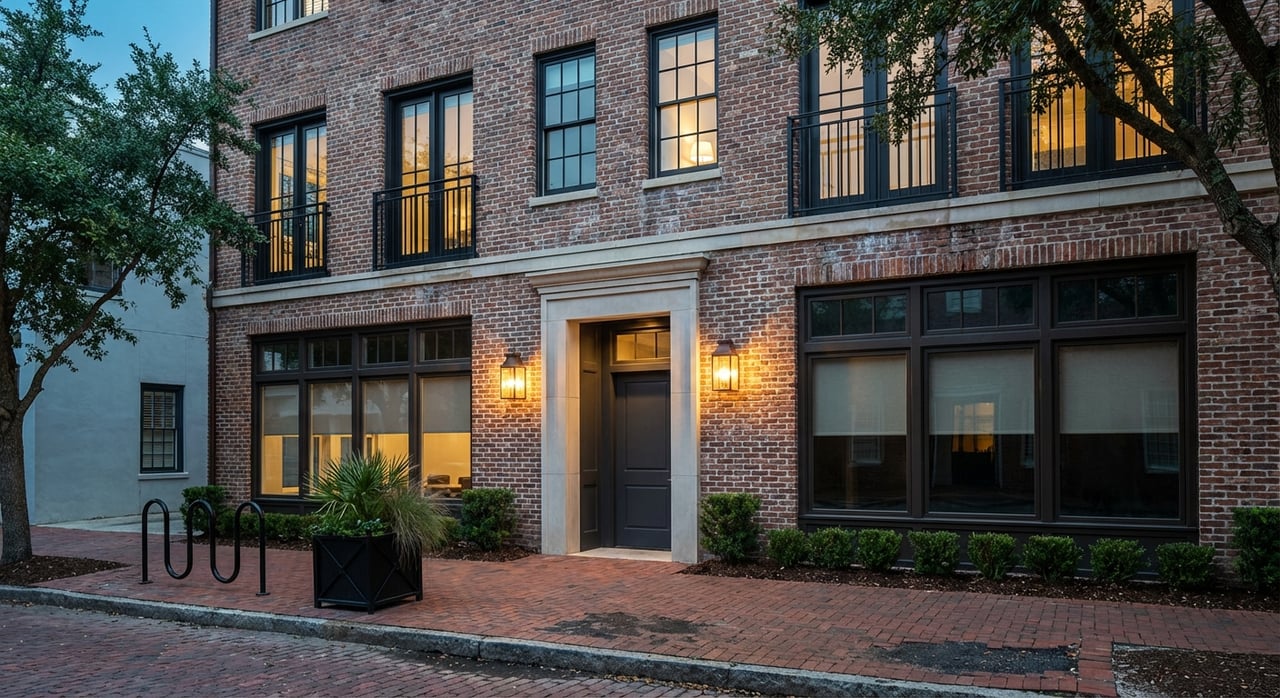
You will see historic buildings converted to studio and 1‑bedroom lofts along and near Main Street. Sample listings for similar downtown lofts commonly show asking rents in the approximate range of $800 to $1,200, depending on size, finishes, and whether utilities are included. Inventory is limited, and building condition and amenities drive price.
Small multifamily
Purpose-built small apartment buildings and townhouse clusters, often 5 to 30 units, are common. Many are run by local owners or regional investors rather than large institutions. The market is shaped more by scattered small complexes than by 200-plus-unit communities, which influences how you comp deals and manage leasing.
Mixed-use with apartments above retail
Mixed-use is part of downtown’s growth story. The City has supported higher-density mixed-use through incentives, which you can see in City Council materials about Chapter 380 agreements and Tax Increment Reinvestment Zone reimbursements. A recent example of small-scale redevelopment in the district is the Jordan Lofts project, which blends residential units with the urban fabric and shows the kind of product that has been added in and around Downtown Bryan.
Current rent benchmarks and comps
- City context: RentCafe reports average rents in the City of Bryan in the low $1,200s. Use this as a directional benchmark only and verify with live comps before underwriting.
- County and nearby city context: Brazos County averages are higher when College Station is included, and College Station’s average rents typically outpace Bryan’s, reflecting a larger share of newer, student-oriented product.
- Downtown micro comps: Recent downtown loft listings for studios and 1‑beds commonly ask around $900 to $1,200. Because downtown inventory is small and varied, rely on active listings and recent leases for building-level comps.
For reference data, see RentCafe’s overviews for the City of Bryan, Brazos County, and College Station. Update with current listings when you underwrite a specific property.
Pipeline and policy signals to watch
City incentives and public partnerships can shape the economics of downtown assets. The City has discussed Chapter 380 agreements and TIRZ-backed phases for hotel, conference, parking, and mixed-use residential at the northern gateway to Downtown Bryan. As structured parking and infrastructure improve, foot traffic and retail trade areas can shift, which supports upper-floor residential.
On the policy side, Downtown Bryan’s master planning work and façade programs have supported adaptive reuse and incremental infill for years. For details, check the City’s long-range planning resources for zoning, permitted uses, and available grant programs. Tracking City Council packets and TIRZ reports during due diligence helps you anticipate new supply and amenity changes that may affect your rent growth assumptions.
Who rents downtown and how that affects operations
Downtown’s tenant mix commonly includes a blend of undergraduate and graduate students, young professionals, local creatives connected to the arts scene, and some faculty and staff who value a walkable setting near restaurants, galleries, and events. For a sense of the district’s lifestyle and programming, explore the Downtown Bryan Association’s events and arts pages.
Lease terms often align with 9 to 12 month cycles that track the academic calendar. Some buildings may allow shorter terms, which can lift gross rent but also increase turnover and operational complexity. If you plan to consider short‑term rentals, verify local rules and permitting through the City’s Planning and Development Services before making it part of your pro forma.
A simple underwriting framework you can use
Use a consistent, local-first approach. Here is a step-by-step framework tailored to Downtown Bryan.
1) Gather true comps
- Pull active listings and recent leases in Downtown Bryan for your property type and unit mix. Focus on studio and 1‑bed loft rents if you are underwriting conversions or mixed-use upper floors.
- Use RentCafe for high-level city and county context, but anchor your underwrite to building-level and block-level comps.
2) Build your income model
- Gross scheduled income: Sum market rents for each unit. Adjust for included utilities, pet fees, and parking revenue.
- Vacancy and turnover: Model a vacancy allowance that accounts for academic-year seasonality. A common starting range for smaller, older downtown assets is 5 to 10 percent, then refine with a local property manager’s historical occupancy data.
3) Estimate operating expenses
- Taxes: Confirm assessed value and estimates using the Brazos Central Appraisal District and recent statements for the subject and nearby comparables.
- Insurance: Older or historic buildings can carry higher premiums. Get quotes early, especially if units are above commercial space.
- Utilities: Clarify what is owner‑paid versus tenant‑paid. Shared meters in older buildings can materially change your operating expenses.
- Management: If you outsource, budget a management fee in the 6 to 10 percent range for small portfolios and confirm scope in writing.
- Maintenance and reserves: Plan a reserve. A practical starting rule of thumb is $250 to $750 per unit per year depending on age and systems, then validate with bids.
- Historic-district work: Review the City’s Planning and Development Services for rules and any façade grants that could offset costs.
4) Calculate returns and test sensitivities
- Net operating income: NOI equals gross scheduled income minus vacancy and operating expenses.
- Valuation metrics: Use cap rate (NOI divided by price), GRM (price divided by gross scheduled income), and cash‑on‑cash (annual pre‑tax cash flow divided by equity invested). Compare your results to recent local transactions and lending requirements.
5) Line up financing early
- For properties with 5 or more units, agency small-balance options like Fannie Mae Small and Freddie Mac Small‑Balance are often competitive. Local banks and small-balance commercial lenders are active as well. Program rules vary by unit count, DSCR, and occupancy, so speak with lenders early to align terms with your business plan.
Due diligence checklist for Downtown Bryan deals
Use this list to keep your process tight and local.
- Confirm zoning and permitted uses with the City’s Planning and Development Services. If the building is historic, review any district restrictions and ask about façade or rehabilitation grants.
- Verify property boundaries, parking entitlements, and any shared or structured parking agreements tied to downtown projects.
- Obtain title, a current survey, and the full lease roll. Confirm security deposit handling and tenant notice requirements.
- Check recent tax statements and appraisal records. Ask how the assessed value may change post‑sale or post‑renovation.
- Order a third‑party property condition assessment. For pre‑1978 structures, add a lead‑based paint review. Budget for roof, HVAC, plumbing, and electrical corrections common to older buildings.
- Identify meters and utility responsibilities. Clarify any common systems that affect operating costs.
- Evaluate flood exposure and insurance needs using FEMA maps and your insurer’s guidance.
- Complete a market and lease audit. Gather comparable recent leases, days‑vacant data, and current concessions to confirm gross effective rents.
How Downtown Bryan compares nearby
- Bryan vs. College Station: City data shows Bryan’s average rents in the low $1,200s, while College Station’s averages trend higher. The difference reflects a concentration of larger, newer, student‑oriented properties in College Station. Downtown Bryan typically offers a walkable, historic setting with smaller buildings and a mix of tenants, often at a relative rent discount.
- Downtown vs. suburban and county rentals: Suburban single‑family and peripheral multifamily in the county often have different operating profiles, including longer lease terms and different turnover patterns. Segment your comps and returns by product type so cap rates and GRMs are apples to apples.
Quick pro tips for first‑time downtown investors
- Align expirations with the academic calendar to reduce avoidable vacancy.
- Track City Council agendas and TIRZ reports so you are ahead of new supply, parking changes, or public projects.
- Underwrite mixed‑use conservatively. Retail lineups and parking agreements can influence residential absorption and renewals.
- Price for condition. In older buildings, small upgrades to lighting, paint, and common areas can improve showing quality and help rents track with downtown peers.
- Use a local manager who understands student and young‑professional leasing patterns.
Ready to find, underwrite, and negotiate the right rental downtown? Let’s talk about your goals, review real comps, and build a plan tailored to your risk and return targets. Reach out to Laura Lea Smith to start a focused, local conversation about Downtown Bryan investment opportunities.
FAQs
What drives rental demand in Downtown Bryan?
- The combination of Downtown Bryan’s active, historic district and Texas A&M’s large enrollment creates recurring demand from students, staff, and professionals. See Texas A&M’s published headcount for context.
What are typical rents for 1‑bed lofts downtown?
- Sample listings often show studios and 1‑bedrooms in the approximate $900 to $1,200 range, with price influenced by size, finishes, utilities, and location within the district. Always verify with live comps before you underwrite.
How do Bryan rents compare to College Station?
- RentCafe’s overviews show Bryan’s city averages in the low $1,200s while College Station averages trend higher, reflecting newer, student‑oriented inventory. This helps frame pricing expectations for downtown assets.
When is the best time to list or turn units?
- Align leasing and renewal cycles with the academic calendar. Marketing units 60 to 90 days before peak move‑in periods can reduce days vacant and help you capture in‑season demand.
Are short‑term rentals allowed in Downtown Bryan?
- Short‑term rental rules can change. Verify current permitting and any downtown‑specific requirements with the City’s Planning and Development Services before making STR revenue part of your business plan.
What financing options exist for 5+ unit properties?
- Agency small‑balance loans, like Fannie Mae Small and Freddie Mac Small‑Balance, are common options alongside local banks. Program terms vary by DSCR, occupancy, and unit count, so engage lenders early to compare structures.