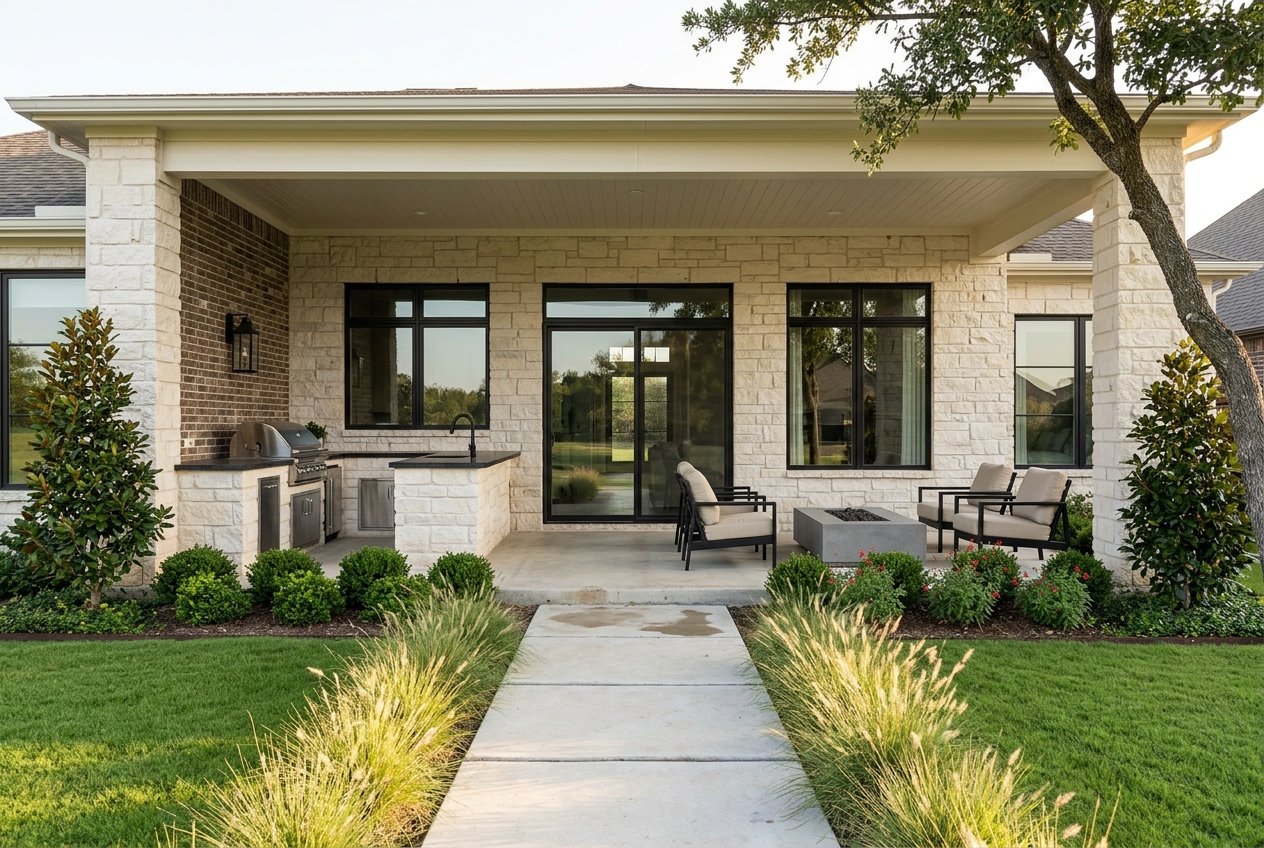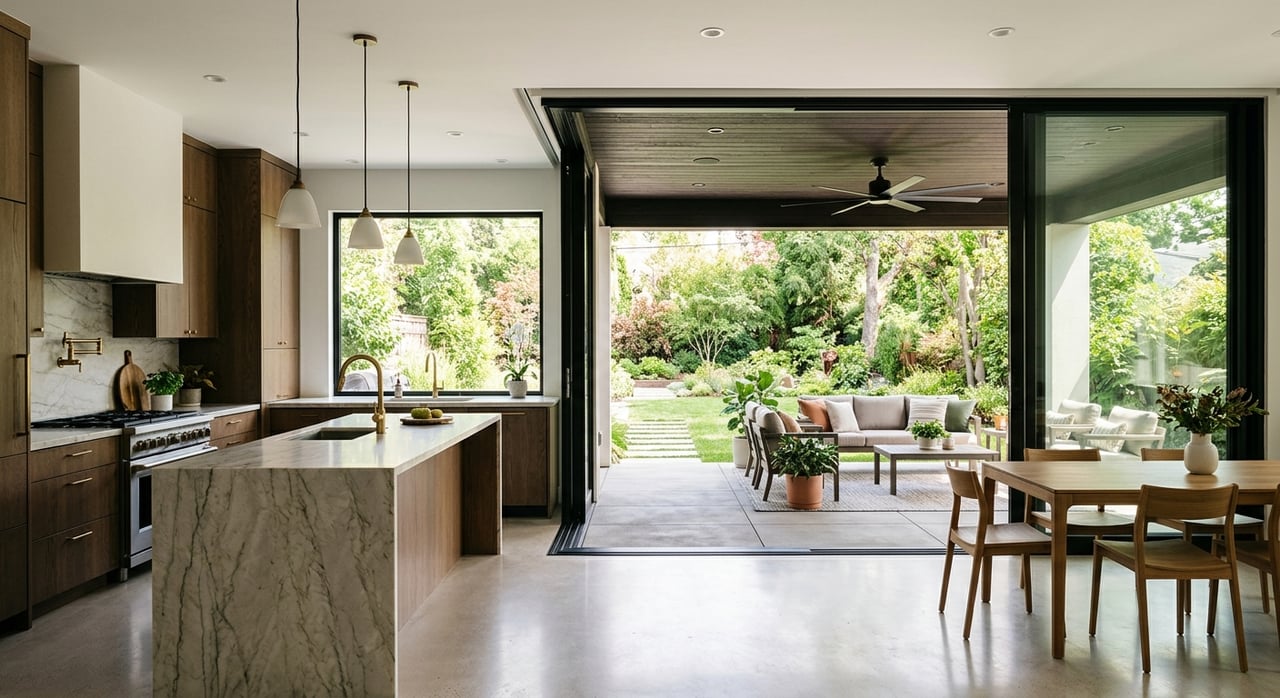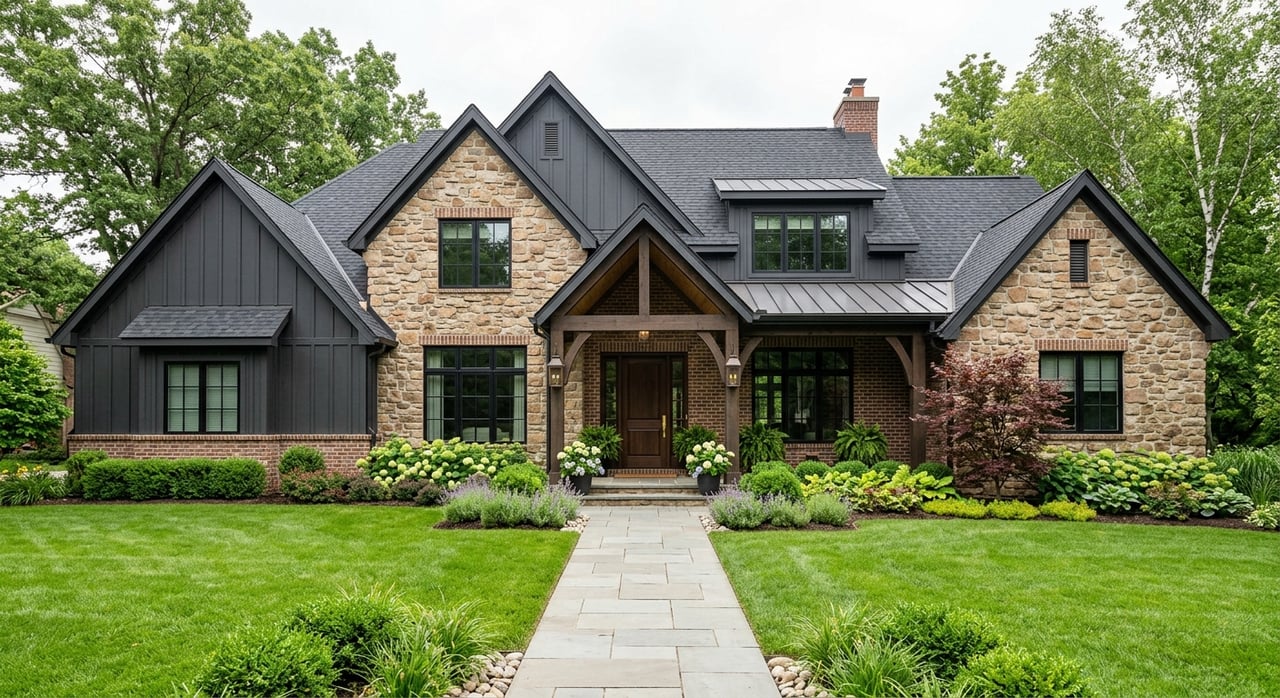
Thinking about buying a historic home in Downtown Bryan? You’re not alone. The tree-lined streets, front porches, and timeless details draw many buyers who value character and walkable living. At the same time, older homes come with unique systems, materials, and rules that can shape your budget and timeline. In this guide, you’ll learn what to look for, who to call, and how to plan financing, insurance, and renovations with confidence. Let’s dive in.
What makes Downtown Bryan’s homes special
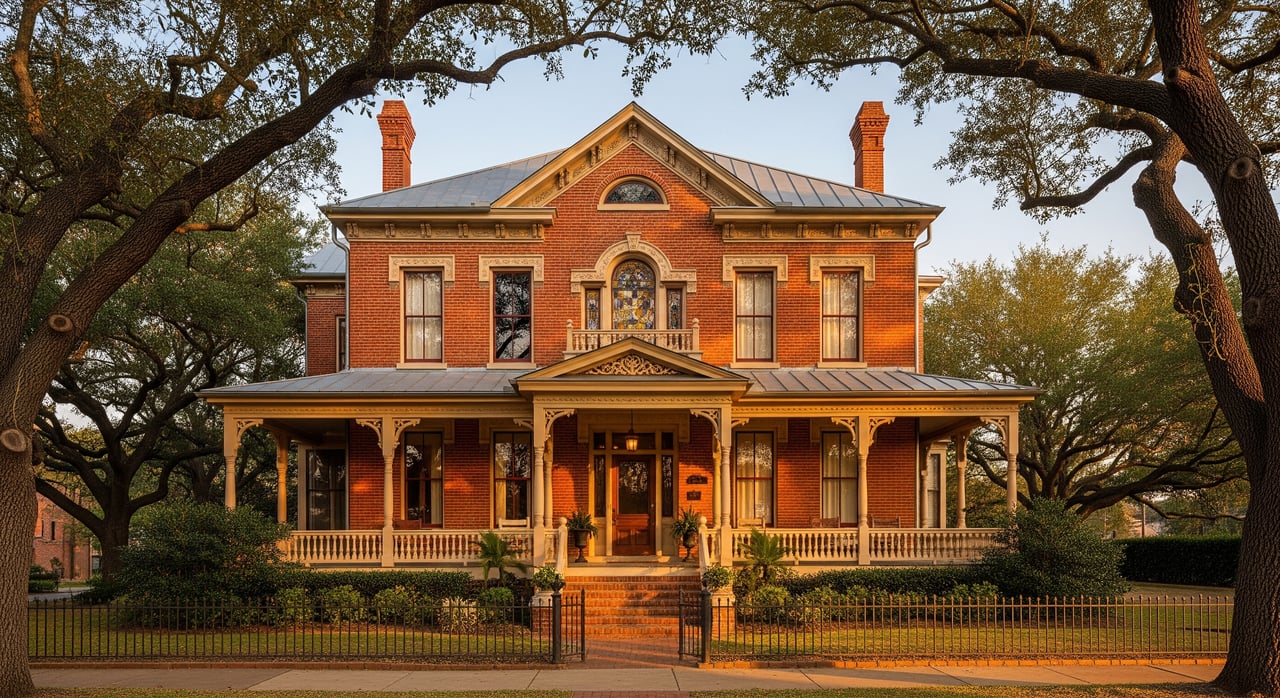
Historic homes near Downtown Bryan often blend charm with craftsmanship you can feel the moment you step inside. You may find wood siding, tall ceilings, original hardwood floors, and front porches with columns or brackets. Many homes feature single-pane sash windows, transoms, and classic wood doors with glass panels. Inside, you might see plaster walls, built-ins, and formal room layouts that reflect earlier eras.
These details create real value and set your home apart in resale, but they also bring practical considerations. Older electrical, plumbing, and HVAC systems may need evaluation or upgrades. Single-pane windows and minimal insulation can affect comfort and energy costs. Understanding these trade-offs upfront helps you plan a purchase you’ll love long term.
Confirm historic designation and rules
Before you fall in love with a home’s porch or trim, confirm its status. In and around Downtown Bryan, a property may be:
- Inside a designated local historic district
- Individually listed on a local inventory
- Simply an older home within a historic area
Each status can carry different rules for exterior changes. Local historic designation often requires review for work visible from the street, such as siding, windows, porches, rooflines, and additions. Interior changes are usually not regulated by historic commissions. Contact City of Bryan planning and historic preservation staff early to learn what requires a Certificate of Appropriateness, which repairs qualify for administrative approval, and typical timelines. Starting this conversation before you write offers or set renovation plans can save you time and avoid surprises.
Inspections that matter most
Older homes reward a deeper inspection approach. Hire a licensed home inspector who is experienced with historic or older properties, then layer in specialists as needed.
Structure and moisture
Foundation and water management are priority one in Texas. Ask your inspector to evaluate:
- Foundation type and condition, including piers, footings, and signs of settlement
- Drainage and grading that may push water toward the home
- Crawlspace ventilation and moisture control
- Roof age and any evidence of leaks
- Gutter and downspout performance
If concerns arise, bring in a structural engineer. Moisture issues that seem minor can escalate into wood rot, pest activity, or interior damage.
Electrical, plumbing, and HVAC
Expect a careful look at system age, safety, and capacity for modern living.
- Electrical: Identify wiring type, panel capacity, grounding, and GFCI protection in wet areas. Older knob-and-tube, cloth-insulated, or aluminum wiring can raise safety and insurance questions.
- Plumbing: Determine pipe materials and condition. Galvanized supply lines and cast-iron drains can reach end of life and restrict flow.
- HVAC: Confirm system age and duct integrity. Many historic homes were not designed for central HVAC, so retrofits and right-sizing matter.
Hidden hazards and wood pests
If you plan to disturb older finishes, test for lead-based paint and possible asbestos in insulation or flooring. In Texas, a termite and wood-destroying organism inspection is standard for wood-frame homes. Address pests and moisture together to prevent recurring issues.
Windows, roofs, and materials
Original windows and ornamental woodwork are part of a home’s soul, but they require care. Ask whether windows are repairable and what historically appropriate repair costs might look like. For roofs, older materials and underlayments can require specialty replacement. Document interior features with photos before starting any permitted work so you preserve what matters most.
Practical pre-offer checklist
- Verify ages of roof, water heater, and HVAC. Get replacement estimates when near end of life.
- Look for foundation cracks and signs of movement like sticky doors or stair-step brick cracks.
- Ask for drainage and flood history. Note any finished floors below grade or signs of past water intrusion.
- Identify lead paint or asbestos risks if renovations will disturb old materials.
- Capture photos of historic features before planning changes and permits.
Renovation planning and costs
Historic homes often require higher annual maintenance and occasional larger projects. A common starting guideline is reserving 1 to 3 percent of home value per year for upkeep, though actual needs vary by property.
Sequence work the smart way
- Stabilize structure and stop water first: foundation, roof, grading, gutters, and ventilation
- Update mechanicals next: electrical, plumbing, HVAC, and insulation or air sealing
- Finish with interior surfaces and exterior details
This order helps you avoid redoing finished work and protects historic materials during the process.
Preservation vs modernization
Decide what you want to preserve and what you want to update. Many owners prioritize character-defining features like porches, mantels, floors, and trim. For comfort and efficiency, start with non-invasive upgrades such as attic insulation, duct sealing, weatherstripping, and efficient HVAC. Window repair with quality storm windows can often preserve original sash while improving performance.
Choose the right team
For projects that touch historic fabric, consider contractors or consultants with preservation experience. Ask for references on similar work and get multiple written bids with clear scopes. Keep thorough documentation and photos before, during, and after work. Good records help with permits, insurance, and resale.
Financing options for purchase and rehab
If your dream home needs updates, renovation-friendly financing can combine purchase and improvement costs.
- FHA 203(k): An FHA-insured loan that allows you to roll eligible renovation costs into the mortgage. Program rules and limits apply.
- Conventional renovation loans: Programs such as Fannie Mae HomeStyle Renovation let you finance improvements within a conventional mortgage.
- VA options: Eligible veterans may access renovation or energy-efficiency features within VA programs.
- Separate financing: You can use a standard mortgage and then fund renovations through a home equity line, a renovation loan, or personal funds.
Appraisals can be more complex on unique historic homes. Appraisers use neighborhood comparables and adjust for condition and improvements. Lenders may require safety or structural items to be corrected before funding. Work with a lender experienced in older homes and renovation loans so you understand timelines, draws, and required documentation.
Insurance and flood considerations
Insurance for older homes can cost more and may require updates to qualify. Insurers look closely at roof age, wiring and panel type, plumbing materials, and prior claims history. If you want coverage that allows like-for-like replacement of certain historic finishes or materials, ask about endorsements that may be available. Some insurers may require remediation of high-risk items like knob-and-tube wiring.
For flood risk, check the property’s floodplain status on FEMA Flood Insurance Rate Maps and ask about local drainage patterns. Downtown areas can sit near low-lying zones or watercourses in some communities. If the property is in a higher-risk zone, your lender may require flood insurance. Even outside mapped flood zones, buyers often choose coverage based on local history and peace of mind.
Timeline, permits, and approvals
Plan extra time for permitted exterior work in designated historic areas. Many cities review changes to siding, windows, porches, rooflines, additions, and any demolition visible from public streets. Some in-kind repairs may qualify for administrative approval, while larger changes typically require a formal review and a Certificate of Appropriateness. Interior renovations are usually not subject to historic commission review, but standard building permits still apply.
Start your design conversations with the City of Bryan early. Share photos, scopes, and material samples when possible. Clear communication upfront reduces redesigns and helps you align with local standards and the Secretary of the Interior’s general preservation principles.
Local incentives and tax considerations
Federal income tax credits for historic rehabilitation generally apply to certified historic structures used for income-producing purposes, such as commercial buildings or leased residential units. For owner-occupied homes, federal credits typically do not apply. Check Texas Historical Commission programs and any City of Bryan offerings for possible local incentives, abatements, or low-interest loans that may support preservation work.
Buyer checklist for Downtown Bryan
Use this quick-reference list as you prepare to write an offer:
- Confirm historic designation status and whether exterior work requires review
- Order a tailored inspection package for older homes, including structural, pest, electrical, plumbing, HVAC, chimney, and hazardous materials testing if needed
- Review FEMA flood maps and ask about site drainage and past water events
- Speak with lenders about renovation-friendly mortgages and appraiser experience with older homes
- Contact insurance agents early to gauge coverage options, costs, and any required updates
- Get preliminary contractor estimates for likely repairs found in the inspection report
- Request seller records for prior permits, structural work, and maintenance
- Budget for specialized trades and build in time for design review and permits
Bringing it all together
Buying a historic home in Downtown Bryan is both a lifestyle choice and a practical project. When you pair the character you love with a smart plan for inspections, permits, financing, and insurance, you set yourself up for success. If you want a sounding board as you evaluate homes and scope renovations, connect with a local guide who understands the trade-offs and the opportunities.
Ready to explore historic homes with a plan that fits your goals and budget? Reach out to Laura Lea Smith to schedule a friendly, no-pressure conversation about your next steps.
FAQs
What should I check first when buying a historic home in Downtown Bryan?
- Confirm the home’s historic designation, then order inspections focused on structure, moisture, electrical, plumbing, HVAC, pests, and potential lead or asbestos.
How do historic-district rules affect exterior renovations?
- Exterior changes visible from public streets often require design review and approval, while many in-kind repairs can be administratively approved; interiors typically are not regulated.
Can I finance renovations within my mortgage on an older home?
- Yes. FHA 203(k), conventional options like HomeStyle Renovation, and some VA features can combine purchase and improvements, subject to program rules and appraisal.
Are older homes more expensive to insure in Brazos County?
- They can be, especially with older roofs, wiring, or plumbing. Insurers may require updates and will price coverage based on condition and prior claims.
How can I improve energy efficiency without losing historic character?
- Start with attic insulation, duct sealing, weatherstripping, and efficient HVAC. Repair original windows and add storm windows before considering replacements.
What maintenance budget should I plan for a historic home?
- A common starting guideline is 1 to 3 percent of home value per year, with added reserves for larger projects like foundations, roofs, or system upgrades.