Wondering if Pebble Creek fits the way you want to live day to day? If you are comparing neighborhoods in south College Station, this community often stands out for its larger homesites, established feel, and access to parks, golf, and major local destinations. The key is knowing what Pebble Creek offers, where the tradeoffs are, and which questions to ask before you buy. Let’s dive in.
What Pebble Creek Is Like
Pebble Creek is a master-planned community in south College Station that began development in 1990. According to the Pebble Creek Owners Association, the neighborhood spans 1,348 acres and is organized around an 18-hole golf course, with distinct villages, sidewalks, green spaces, common areas, and natural boundaries created by woodlands, lakes, and fairways.
That layout gives Pebble Creek a more structured, planned feel than some neighborhoods nearby. You may also find a mix of established streetscapes and newer sections, since the association notes that new residential lots are still released every few years. For buyers, that means you can compare resale homes and newer construction within the same broader community.
Who Pebble Creek May Suit
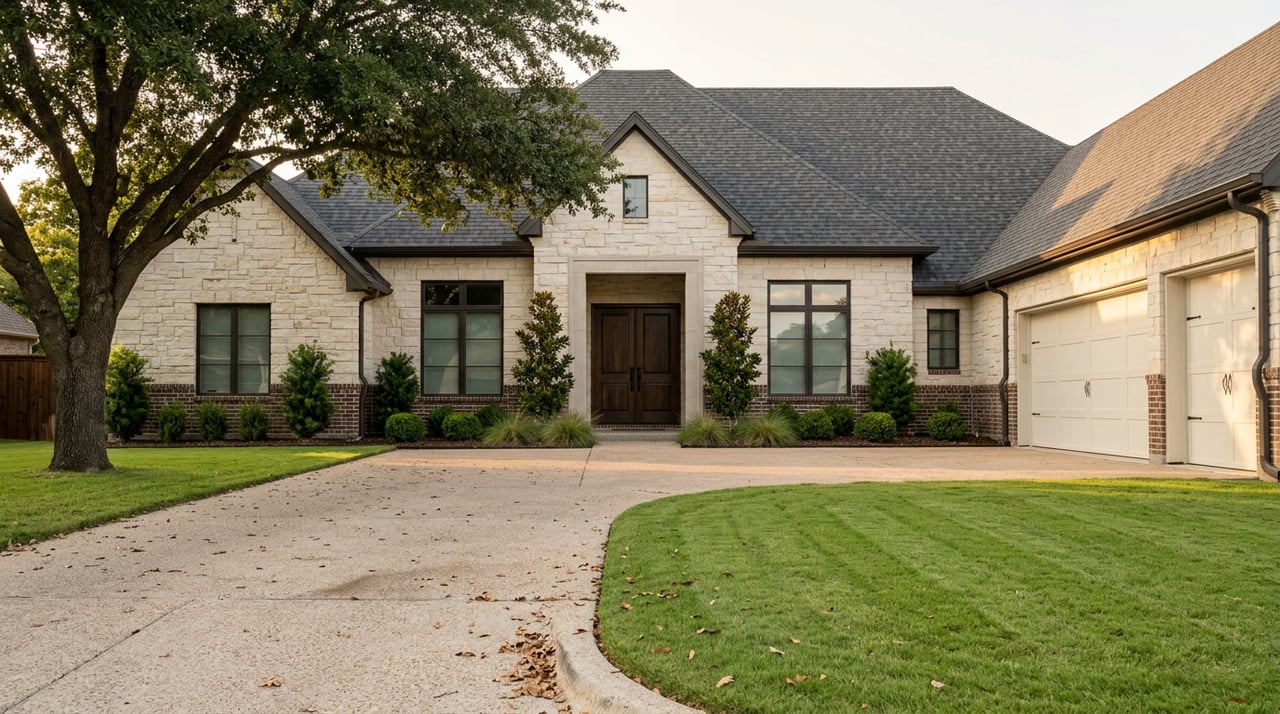
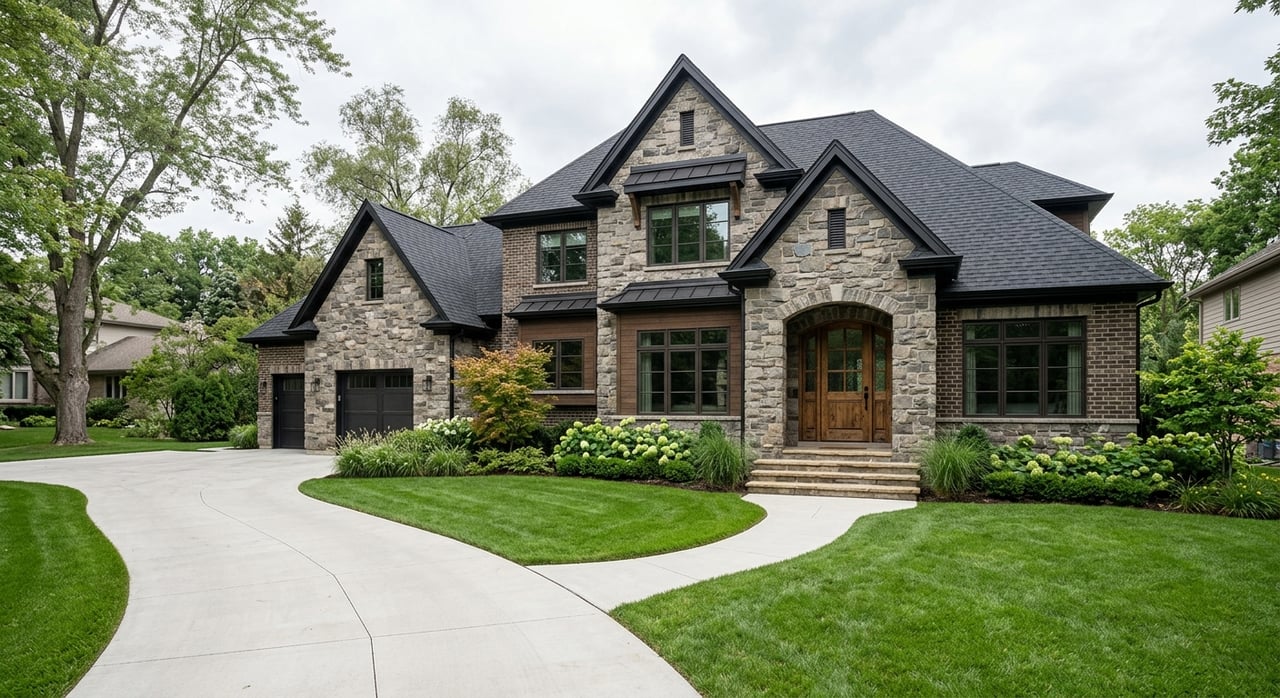
Pebble Creek tends to make the most sense if you want more house and lot space, enjoy a neighborhood with defined standards, and like being close to outdoor amenities. Builder information and recent listing samples suggest the area leans toward larger homes rather than entry-level options.
If you prefer a neighborhood where appearance standards and common-area upkeep are part of the package, Pebble Creek may feel like a strong match. If you want fewer HOA rules or a smaller-maintenance property without village-specific requirements, you will want to look closely at each address before deciding.
Home Sizes and Lot Patterns
One of Pebble Creek’s biggest draws is space. Current builder information shows homesites ranging from about one-third to one-half acre, and recent listing samples include homes from roughly 2,212 to 3,543 square feet, with some lots around 9,670 to 12,632 square feet. You can review that broader neighborhood context through current Pebble Creek builder details.
In practical terms, Pebble Creek often appeals to move-up buyers who want larger interiors, broader lots, and a more established neighborhood footprint. It may be less of a fit if your top priority is a smaller home, lower upkeep, or the lowest possible entry price.
Pebble Creek Price Range
Price is one of the first filters for most buyers, and Pebble Creek generally sits in a higher neighborhood price bracket. Recent market snapshots place the area around a $600,000 median list or sale range, with Realtor.com reporting a median listing price of $599,922 and Homes.com reporting a 12-month median sale price of $640,000.
These figures are best used as directional context, not as a substitute for a property-specific value opinion. Still, they give you a helpful baseline if you are deciding whether Pebble Creek belongs on your shortlist.
Outdoor Amenities and Recreation
If outdoor access matters to you, Pebble Creek checks several important boxes. The neighborhood highlights Pebble Creek Park, a 10-acre park with playgrounds, covered basketball courts, soccer and baseball fields, and short jogging trails.
The community also sits next to Lick Creek Park, which the City of College Station tourism site describes as a 523-acre preserve with five miles of marked trails. That nearby access can be a real plus if you want more room to walk, run, or enjoy nature without going far from home.
Pebble Creek is also close to Pebble Creek Country Club at 4500 Pebble Creek Parkway. For some buyers, that golf-course setting and nearby club access are part of the appeal, especially if you are looking for a neighborhood with a more lifestyle-oriented backdrop.
Location in South College Station
Pebble Creek’s location is another reason buyers give it a close look. Community and builder materials describe it as being minutes from shopping, restaurants, hospitals, and schools, while also offering access to south College Station amenities and routes into the broader Bryan-College Station area.
The neighborhood website also notes proximity to Texas A&M University and Blinn College. If your household wants reasonable access to campus, medical services, or daily retail without living in the middle of heavier central traffic, Pebble Creek may offer a useful balance.
Schools and Boundary Checks
Pebble Creek is served by College Station ISD, and the neighborhood site lists Pebble Creek Elementary, Oakwood Intermediate, A&M Consolidated Middle, and A&M Consolidated High. The site also notes that Pebble Creek Elementary is located at 200 Parkview Drive and provides school information for the area.
That said, school zoning can change. Because CSISD has posted 2026-27 boundary adjustments and offers a school zone locator, it is smart to verify the current attendance zone for any specific address you are considering. This is especially important if school assignment is a major factor in your home search.
HOA Rules and Costs
Pebble Creek is not a one-size-fits-all HOA setup. The neighborhood is governed through multiple associations, including the Pebble Creek Owners Association and village-level associations such as Garden, Patio, and Stonewater Villages.
That matters because dues and rules can vary by section. The Pebble Creek Owners Association FAQ lists the main annual PCOA assessment at $360 per property, while village-specific dues include Garden HOA at $130 monthly in 2026, Patio HOA at $340 quarterly in 2026, and Stonewater Villages HOA at $130 monthly in 2026.
Those fees support items such as common-area maintenance, greenspaces, landscaping, common utilities, administration, newsletters, directories, and related neighborhood projects. From a buyer’s standpoint, the takeaway is simple: two homes in Pebble Creek may have different ownership costs and expectations depending on the village.
ACC Approval Before Improvements
Another important ownership detail is architectural review. According to the Pebble Creek covenants and ACC information, written Architectural Control Committee approval is required before improvements are built or erected, and plan review can take up to 30 days.
If you already know you want to add a pool, build a fence, change exterior elements, or make other visible improvements, this review process should be part of your decision. For some buyers, neighborhood standards are a benefit. For others, the approval timeline may feel restrictive.
Established Homes vs Newer Options
Pebble Creek offers something many buyers like: a blend of older established homes and newer opportunities. Since new lots are still released periodically, you may be able to compare a mature streetscape and larger resale home against a newer build in the same community.
That mix gives you more flexibility than neighborhoods that are fully built out or entirely new. It also means values, finishes, lot characteristics, and HOA details can differ meaningfully from one part of Pebble Creek to another.
A Future Traffic Consideration
Most buyers focus on the home first, but road projects matter too. The City of College Station currently estimates the Rock Prairie Road East widening project for completion in Fall 2029.
Depending on where you work or how often you travel south-side routes, that project may be worth noting as you think about future traffic patterns and possible construction impacts. It may not be a dealbreaker, but it is useful context for long-term planning.
Questions to Ask Before You Buy
If Pebble Creek is on your shortlist, these are smart questions to ask before making an offer:
- Which HOA or village applies to this specific address?
- What are the current dues, and are there any transfer fees or special assessments?
- Is the lot size a good fit for your maintenance preferences and budget?
- Is the home a newer build, a recent resale, or part of an older established section?
- What is the current school-zone assignment for this address?
- Are any road projects or access changes likely to affect your commute?
- If you want to make exterior changes later, what ACC approvals will be required?
Is Pebble Creek Right for You?
Pebble Creek may be a strong fit if you want a south College Station neighborhood with larger homesites, a structured community feel, and convenient access to parks, golf, and everyday services. It can be especially appealing if you value established surroundings but still want the possibility of newer construction options.
It may be less ideal if you want minimal HOA involvement, lower ownership costs, or a smaller-maintenance home. The right answer often comes down to the specific village, the exact property, and how well the home’s upkeep, dues, and location match your lifestyle.
If you want help comparing Pebble Creek to other College Station neighborhoods, Laura Lea Smith can help you look beyond the listing photos and evaluate the details that matter most for your move.
FAQs
What kind of homes are common in Pebble Creek?
- Pebble Creek appears to lean toward larger homes on broader lots, with builder and listing samples showing homesites around one-third to one-half acre and homes commonly above 2,000 square feet.
What are the HOA fees in Pebble Creek?
- HOA costs depend on the section, with the main PCOA annual assessment listed at $360 per property and some village-level dues adding monthly or quarterly fees.
Does Pebble Creek have parks and trails nearby?
- Yes. The neighborhood features Pebble Creek Park, and it sits next to Lick Creek Park, which includes five miles of marked trails.
Are there both resale homes and newer homes in Pebble Creek?
- Yes. The owners association says new residential lots are still released every few years, so buyers may find both established resale homes and newer construction in the community.
How do school assignments work for Pebble Creek homes?
- Pebble Creek is served by College Station ISD, but buyers should verify the current attendance zone for any specific address because boundaries can change.
What should buyers know about Pebble Creek home improvements?
- Exterior or structural improvements generally require written Architectural Control Committee approval, and the review process can take up to 30 days.