Selling a historic home in Downtown Bryan is not the same as selling a newer house across town. You are not just cleaning up for photos and booking a stager. You are also preparing a property with age, character, and possible preservation requirements that buyers will notice right away. If you want to avoid delays and present your home with confidence, a smart prep plan can make a real difference. Let’s dive in.
Start With Historic Status
Before you repair, paint, or replace anything, confirm whether your home sits in a local historic district or historic preservation overlay. In Bryan, preservation is guided at the local level through the city’s Historic Landmark Commission, preservation plan, and design guidelines.
That matters because exterior work visible from the public right-of-way can require a Certificate of Appropriateness before work begins. Only City Council can alter or remove a Historic Preservation Overlay designation, so it is worth checking early rather than assuming a project is simple.
Historic Downtown Bryan also carries extra visibility right now. The city says the district was added to the National Register of Historic Places in 2026, includes 104 properties, and is recognized as a Texas Cultural District.
Why Early Prep Matters
If you are thinking about selling, give yourself more runway than you would for a standard resale. Local market data from the College Station-Bryan MSA showed a median sales price of $276,750 in Q1 2026, with 96 days on market and 7.8 months of inventory.
In Brazos County, the median sales price for single-family homes also fell 4.5% year over year from November 2024 to November 2025. In a market where buyers have options, deferred maintenance and missing paperwork can stand out fast.
For many Downtown Bryan sellers, a 6- to 18-month prep window is a practical goal. That gives you time to handle repairs, gather records, and complete any approval process before your home goes live.
Focus on Repair First
Bryan’s design guidance is clear on one major point: repair first, replace only when needed. That approach helps preserve the details that give older homes their appeal and can also help you avoid changes that create approval issues.
For sellers, this is more than preservation talk. It is a marketing advantage. Buyers shopping for a historic or character home usually want original features to feel cared for, not stripped out or replaced with mismatched updates.
Prioritize Water and Structural Issues
If you are deciding where to spend money before listing, start with issues that protect the home and reassure buyers.
Focus first on:
- Roof leaks or drainage problems
- Damaged or deteriorating masonry
- Rotting porch components or stairs
- Peeling paint and exposed wood
- Broken, drafty, or hard-to-operate original windows
These issues affect both appearance and confidence. They also touch the very features Bryan’s guidelines identify as important to a building’s historic character.
Handle Roof Work Carefully
Bryan’s guidelines say to retain roof shape, features, color, and patterning whenever possible. If repairs are needed, use compatible materials and make sure drainage is functioning properly.
Inside Bryan city limits, roof finish replacement requires a building permit, and the contractor must obtain it through the city portal. Final inspection is also part of the process, so do not leave roof work until the last minute.
Treat Masonry Gently
Older brick and mortar need a lighter touch than many sellers expect. Bryan recommends cleaning masonry only when necessary and using the gentlest methods possible.
The city specifically warns against sandblasting, high-pressure water, and chemicals that can damage brick and mortar. If repointing is needed, the mortar should match the original in strength, composition, color, and texture.
Preserve Original Windows
Windows are one of the first things buyers notice on a historic home. Bryan’s guidance encourages owners to repair existing windows first and improve performance with re-caulking or weatherstripping where possible.
The city also discourages changing the number, size, shape, or location of original openings. Incompatible stock windows and tinted windows are specifically discouraged, so quick replacements can hurt both appearance and buyer perception.
Keep Porch and Entry Details Intact
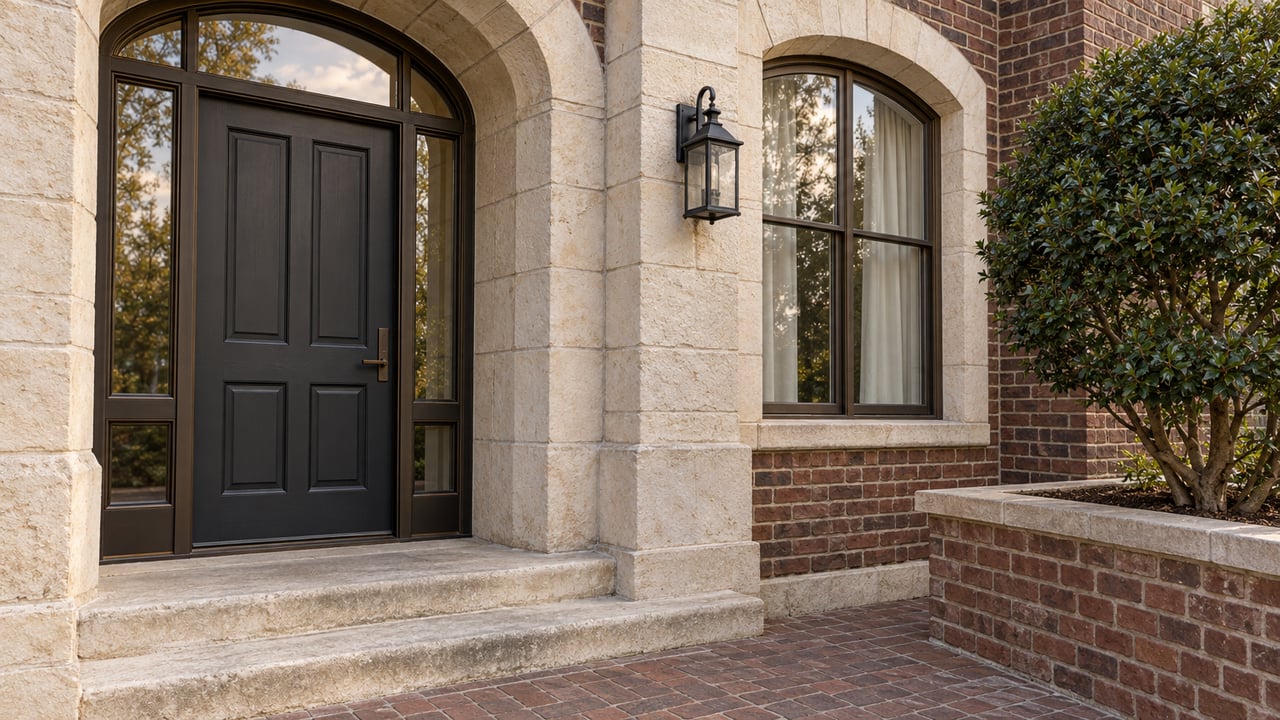
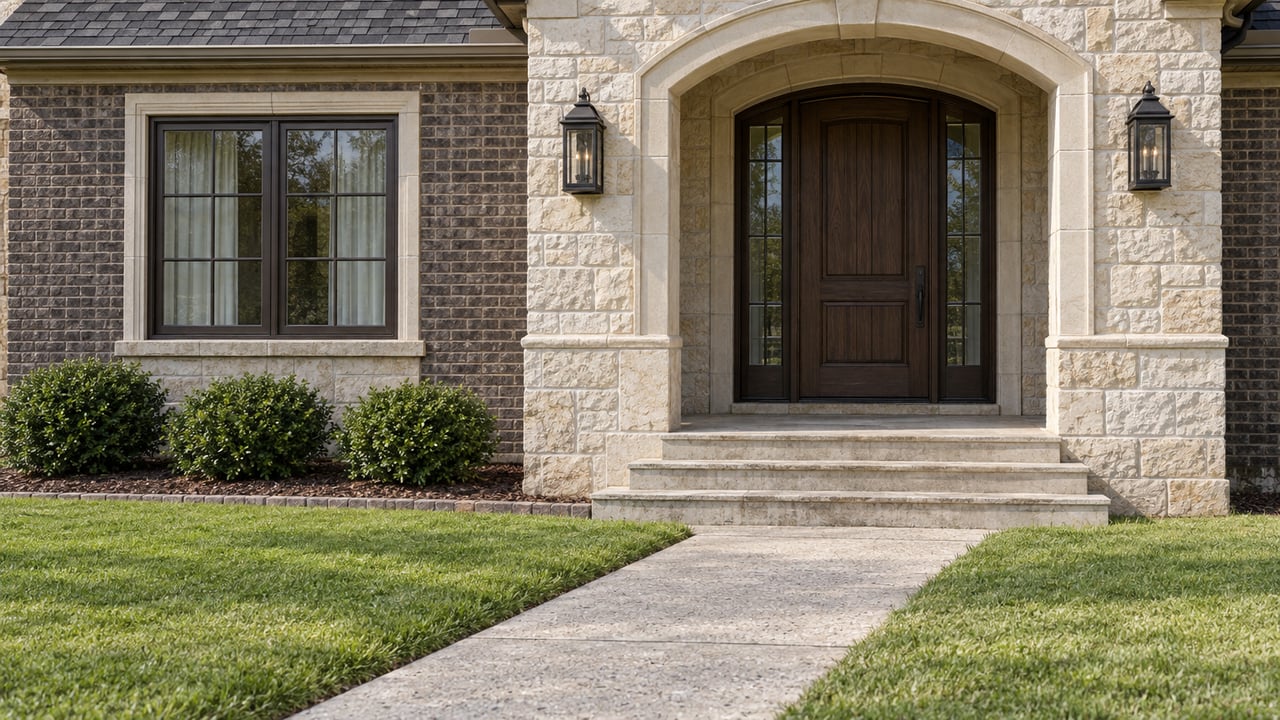
Porches and front entries often do a lot of the visual heavy lifting in Downtown Bryan. Doors, lights, pilasters, stairs, and decorative elements help tell the home’s story before a buyer even walks inside.
Bryan’s guidelines favor retaining and repairing these features rather than rebuilding them wholesale. If your porch has sagging rails, worn boards, or damaged trim, targeted repair is usually a smarter path than a complete redesign.
Be Thoughtful With Paint
Fresh paint can help a home show better, but historic homes need a measured approach. Bryan advises against abrasive paint removal and recommends historically appropriate colors and compatible coating systems.
The city also warns against applying new coatings to masonry that was historically unpainted. If you are unsure whether painting a surface is the right move, it is best to verify before the work starts.
Improve Curb Appeal Without Losing Character
Historic curb appeal is about clarity, not over-styling. Buyers should be able to see the facade, windows, porch lines, and architectural details without distraction.
Bryan’s guidelines discourage placing mechanical or service equipment where it is conspicuous from the public right-of-way. In practical terms, sellers should also remove visual clutter that blocks the front of the home in photos and showings.
Before listing, consider this simple exterior checklist:
- Clear the porch of extra furniture or storage items
- Trim landscaping away from windows and entry details
- Remove hoses, bins, and loose yard items from view
- Make sure exterior lighting is clean and working
- Highlight original details instead of covering them up
The goal is to help buyers see a cared-for historic home, not a project with hidden questions.
Build a Buyer-Ready Paper Trail
With an older home, paperwork matters almost as much as paint. Buyers often want to know what work was done, when it was done, and whether approvals were handled properly.
Bryan’s Certificate of Appropriateness process is document-heavy for exterior alterations. The city says applications can require construction drawings, site plans, floor plans, foundation plans, exterior elevations, photographs, color samples, materials lists, and sample or manufacturer descriptions for replacement materials.
That level of detail tells you something important as a seller. A clean documentation folder can reduce friction during due diligence and help your home feel well cared for.
What to Gather Before Listing
A strong seller packet may include:
- Permit history
- Before-and-after photos of completed work
- Contractor invoices and receipts
- Warranties
- Prior Certificate of Appropriateness paperwork, if applicable
- Material information for exterior repairs or replacements
- Any historic research tied to the home
Bryan notes that building permits are an excellent source of information on older buildings, though the city only has dated permits back to 1978. Owners often supplement that record with Sanborn maps, newspaper clippings, original blueprints, and appraisal records.
The city also points owners to resources such as the public library, Texas A&M Library, Planning Services, the Main Street office, the Historic Landmark Commission, the Brazos Heritage Society, and the Downtown Business Association.
Know the Approval Timeline
If you are planning exterior work before listing, timing matters. The Historic Landmark Commission meets on the second Wednesday of each month, and the Historic Preservation Officer must receive paperwork no later than 15 days before that monthly meeting.
That means a late decision can easily push your project back by weeks. If your listing timeline depends on exterior paint, porch repair, windows, or another visible update, check the approval path before hiring contractors.
Bryan’s online permitting portal can help you apply for permits, attach documents, review comments, schedule inspections, and view results. It is a practical tool, but it does not replace early planning.
Prepare for Required Disclosures
For previously occupied single-family residences in Texas, sellers generally need to provide a Seller’s Disclosure Notice through TREC. For many older Downtown Bryan homes, there may also be lead-related paperwork to prepare.
TREC provides the lead-based paint addendum used to comply with federal law for housing built before 1978. For a pre-1978 home, buyers usually receive lead-hazard information, and sellers should be ready to share any available reports or records.
This is another reason documentation matters. If you already have repair records, testing information, or renovation notes organized, the transaction tends to feel smoother and more transparent.
Position the Home Correctly
A historic Downtown Bryan home should not be marketed like a generic resale. Its age, materials, setting, and architectural details are part of the value, but only if they are presented clearly.
That starts with honest preparation. If your home has preserved windows, repaired masonry, a documented roof update, or approved exterior work, those details can help buyers understand why the property deserves attention.
It also helps to frame the home as move-in ready for its category. Buyers looking at character homes often expect quirks. What they do not want is uncertainty around leaks, approvals, or whether previous work was done thoughtfully.
A Simple Pre-Listing Plan
If you want to keep the process manageable, start with these three questions:
- Is your home in a historic district or overlay?
- What exterior work needs approval or a permit?
- What records will a buyer expect to see?
From there, build your timeline around repairs, approvals, and presentation. That approach gives you a better chance to bring your home to market as a preserved, documented Downtown Bryan property rather than a house that still needs sorting out.
Selling a historic home takes more care, but it can also be deeply rewarding. When you protect the details that make the property special and prepare the right documentation, you give buyers more confidence from the start.
If you are thinking about selling a historic or character home in Bryan, Laura Lea Smith can help you create a smart prep plan, price strategically, and present your home in a way that respects its story and supports your goals.
FAQs
What should you fix first before selling a historic Downtown Bryan home?
- Start with issues that affect protection and buyer confidence, such as roof leaks, drainage problems, damaged masonry, rotted porch elements, peeling paint, and original windows that do not operate well.
Does exterior work on a Downtown Bryan historic home need city approval?
- Exterior work visible from the public right-of-way can require a Certificate of Appropriateness before work begins, so you should verify your property’s status and requirements with the City of Bryan early.
How far in advance should you prepare a historic Bryan home for sale?
- A 6- to 18-month prep window can be helpful because it gives you time to complete repairs, gather records, and work through any permit or design review process before listing.
What documents should sellers gather for an older Bryan home?
- Helpful records include permit history, invoices, warranties, before-and-after photos, prior approval paperwork, material information, and any historic research related to the property.
Do sellers of older homes in Bryan need lead-based paint paperwork?
- If the home was built before 1978, sellers are often expected to provide lead-related information and should be ready to share any available reports or records.
Why does documentation matter when selling a historic home in Downtown Bryan?
- Organized documentation can reduce buyer questions during due diligence and help show that past work was handled carefully, legally, and with respect for the home’s character.