Thinking about buying a condo or loft in Downtown Bryan? You are not alone. Urban-style living here can be exciting, but it also comes with a different set of ownership rules than a typical house in a subdivision. If you want to know what you are really buying, what to verify, and how downtown ownership works in practice, this guide will walk you through it. Let’s dive in.
Why Downtown Bryan Feels Different
Downtown Bryan is not just another pocket of housing. The city describes it as Bryan’s historic and cultural center, and the historic district is listed on the National Register of Historic Places and designated as a Texas Cultural District.
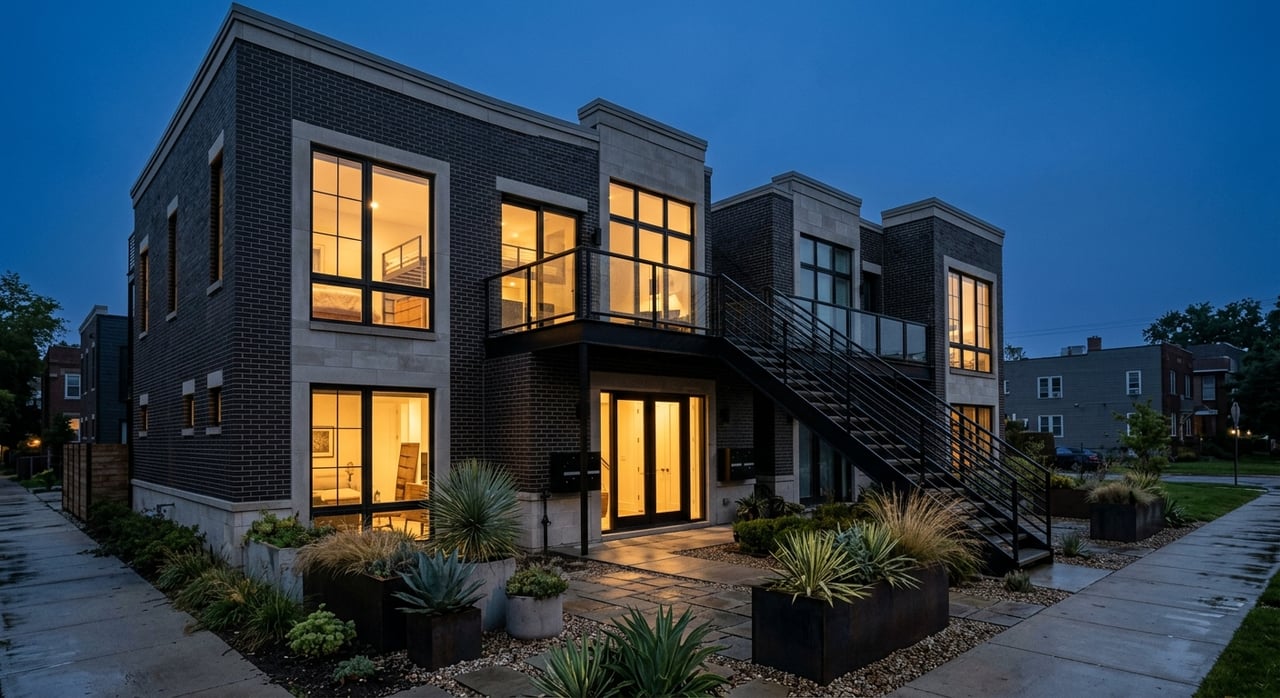
That matters because condo, loft, and townhome ownership here often sits inside a preserved, mixed-use downtown environment. Instead of a standard suburban layout, you may be looking at upper-floor residential units, older commercial buildings adapted for living space, or newer mixed-use projects built around walkability and shared infrastructure.
The city’s planning materials also point to a low-rise historic scale, mixed-use character, and residential uses above street-level commercial space. In Downtown Bryan, a “loft” often describes how a property is built and used, but it does not automatically tell you how ownership is legally structured.
Condo, Loft, and Townhome Are Not the Same
This is one of the biggest points to understand before you buy. A property’s label may describe its look, but not its legal ownership setup.
What a condo usually means in Texas
In Texas, condominiums are governed by Texas Property Code Chapter 82. In general, the association is responsible for maintaining, repairing, and replacing common elements, while the unit owner is responsible for the unit itself.
There are important exceptions, though. Under the default rules, certain utility installations, windows, and doors serving only one unit may fall to the owner unless the condo declaration says otherwise. That is why reading the declaration is so important.
What a loft usually means in Downtown Bryan
In Downtown Bryan, “loft” is often more about building form than legal structure. A loft may be located in an older commercial building with upper-floor residential space, or in a newer mixed-use development designed to reflect downtown’s urban character.
That means you should not assume a loft is automatically a condo. It may be part of a condo regime, a mixed-use arrangement, or another ownership structure that needs careful review.
What a townhome usually means
A townhome describes a physical form more than a legal regime. Texas construction-law definitions describe a townhouse as a single-family dwelling unit in a group of three or more attached units that extends from foundation to roof and has a yard or public way on at least two sides.
But that still does not tell you whether the property is legally a condominium or part of a subdivision. Two attached homes can look nearly identical from the street while having very different rules for maintenance, insurance, and shared areas.
Why the Legal Regime Matters
If you only remember one thing from this article, remember this: the name of the property is not enough. The legal regime affects your responsibilities, your costs, and even your day-to-day experience as an owner.
A condo association may handle certain shared components and common areas. A subdivision-style townhome HOA may work very differently. The rules, fees, maintenance obligations, and owner rights depend on the governing documents and the applicable Texas law.
The Texas State Law Library notes that HOA rights depend on both the association’s documents and state law. It also distinguishes between condominium HOAs under Chapter 82 and subdivision HOAs under Chapter 209.
What to Review Before You Commit
Downtown Bryan buyers should expect a more document-driven process than they might see with a typical detached home. That is especially true for condos, loft conversions, and attached properties with shared elements.
Key documents to ask for
Before moving forward, review these carefully:
- Declaration
- Bylaws
- Rules and regulations
- Management certificate
- Resale certificate
These documents can explain restrictions, meeting procedures, fees, maintenance duties, and how the community is run. They are often more revealing than the marketing remarks in a listing.
Why the resale certificate matters
Texas has a distinct condo resale process. TREC publishes both a Residential Condominium Contract (Resale) and a Condominium Resale Certificate form.
Under the TREC form language, a buyer may cancel within 7 days after receiving the condo documents or certificate. That gives you a short but important review window, so timing matters.
Maintenance: Who Fixes What?
One of the most common questions in downtown ownership is simple: who is responsible when something needs repair? The answer depends on the property’s governing documents.
For Texas condos, the default rule is that the association handles common elements, while the owner handles the unit. But the declaration may shift or clarify details, especially for items that feel like they sit in a gray area.
Items to verify in writing
Make sure you confirm responsibility for:
- Roof
- Exterior walls
- Windows
- Doors
- Utility lines and installations
- Hallways, stairwells, elevators, and other common areas
Do not guess based on appearance. In attached or mixed-use properties, what looks private may still be shared, and what looks shared may still be your responsibility.
Parking Is a Real Ownership Issue
Parking can make or break the downtown living experience. In Downtown Bryan, it should be verified property by property rather than assumed.
The city notes that downtown has an online GIS parking map, the Roy Kelly Parking Garage offers the first 60 minutes free with $1 hourly rates and monthly contract options, and blue wayfinding signs help drivers find parking. The city has also been studying long-term parking demand and management as downtown grows.
Questions to ask about parking
Before you buy, ask whether parking is:
- Deeded with the unit
- Assigned by the association or building
- Available through a garage contract
- Shared with commercial uses
- Limited for guests
- Dependent on nearby public spaces
In a downtown setting, parking is part of the ownership picture, not just a convenience.
Historic Buildings Add Opportunity and Questions
Part of Downtown Bryan’s appeal is its historic character. For buyers who love architecture, texture, and one-of-a-kind spaces, that can be a major draw.
It can also create extra questions. If you are looking at an older loft building or a property with renovation potential, ask whether historic rehabilitation tax credits may apply. The city notes that National Register designation can make historic buildings potentially eligible for federal rehabilitation tax credits.
That does not mean every property will qualify or that every buyer will benefit in the same way. It simply means historic status may be worth discussing when you evaluate a rehab-minded purchase.
Downtown Bryan Growth Could Expand Options
Downtown Bryan is not standing still. The city is advancing a Downtown North mixed-use project that will include a six-story mixed-use residential building, underground parking, and a later phase expected to include condominium units and office space.
For buyers, that signals potential growth in the downtown ownership market over time. It also reinforces why local knowledge matters, because available product types may continue to evolve beyond the small number of existing opportunities.
How the Brazos Valley Market Shapes Your Search
Downtown condos and lofts are part of a much smaller niche than the broader Bryan-College Station housing market. That is why broad market headlines only tell part of the story.
For 2025, the College Station-Bryan MSA posted a median price of $318,000, 1,235 sales, 73 days on market, 3,318 active listings, and 4.3 months of inventory. Homes sold for 95.7% of original list price on average, with a median price per square foot of $187.58.
That broader context suggests buyers had more room to compare options than in the tightest recent years. Still, a small downtown condo or loft submarket can feel much tighter, more unique, and far more dependent on building-specific details.
A Smart Buying Checklist for Downtown Bryan
If you are exploring condo or loft ownership in Downtown Bryan, start with a clear process.
Use this checklist before you buy
- Confirm whether the property is a condo, subdivision townhome, or another ownership structure
- Read the declaration, bylaws, rules, management certificate, and resale certificate
- Verify who maintains the roof, exterior, windows, doors, utilities, and common areas
- Ask exactly how parking works for owners and guests
- Review any fees, restrictions, and approval procedures
- Ask whether the building has any historic status or possible rehab-related opportunities
- Keep your document review timeline in mind, especially for condo resale transactions
A little extra diligence upfront can save you major surprises later.
Why Local Guidance Helps
Downtown Bryan ownership is not always simple, but that is also part of what makes it interesting. You are often buying into a distinct setting with historic character, mixed-use surroundings, and rules that vary from one building to the next.
When you understand the legal structure, maintenance split, parking setup, and document timeline, you can move forward with much more confidence. That kind of clarity is especially valuable in a niche market where the details matter as much as the location.
If you are weighing condo or loft ownership in Downtown Bryan and want help sorting through the details, Laura Lea Smith can help you compare options and make sense of what each property really offers.
FAQs
What does loft ownership in Downtown Bryan usually mean?
- In Downtown Bryan, a loft often describes the building style or layout rather than the legal ownership structure, so you need to verify whether it is part of a condo regime or another setup.
What documents should you review before buying a condo in Downtown Bryan?
- You should review the declaration, bylaws, rules, management certificate, and resale certificate to understand fees, restrictions, maintenance duties, and procedures.
Who handles repairs in a Downtown Bryan condo?
- In Texas, the default rule is that the association handles common elements and the owner handles the unit, but the declaration can change or clarify details for items like windows, doors, and utilities.
How does parking work for Downtown Bryan condos and lofts?
- Parking varies by property and may be deeded, assigned, contracted through a garage, or dependent on public parking, so you should confirm the exact arrangement before buying.
Are Downtown Bryan townhomes always condominiums?
- No, a townhome can be part of a condominium or a subdivision, which is why the legal documents matter more than the marketing label.
Is the Downtown Bryan housing market the same as the wider Brazos Valley market?
- No, downtown condos and lofts are a smaller, more specialized segment, so broad Bryan-College Station market data can provide context but not a full picture of individual downtown opportunities.