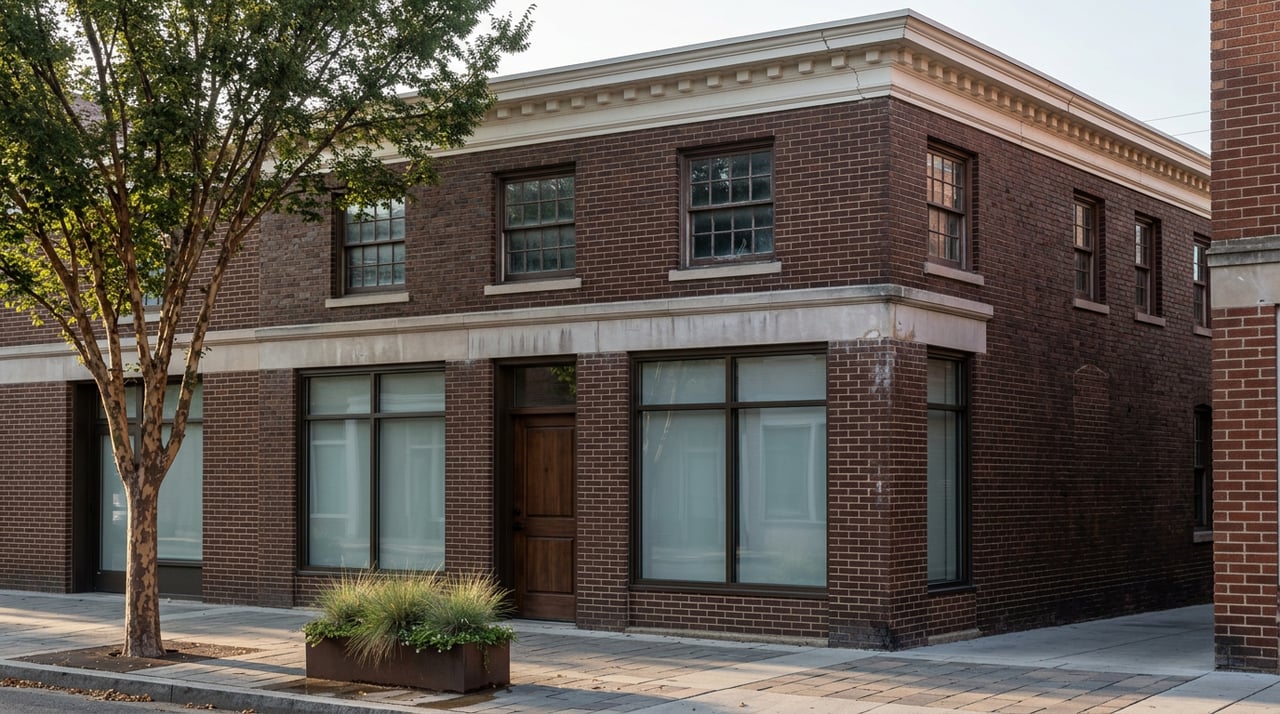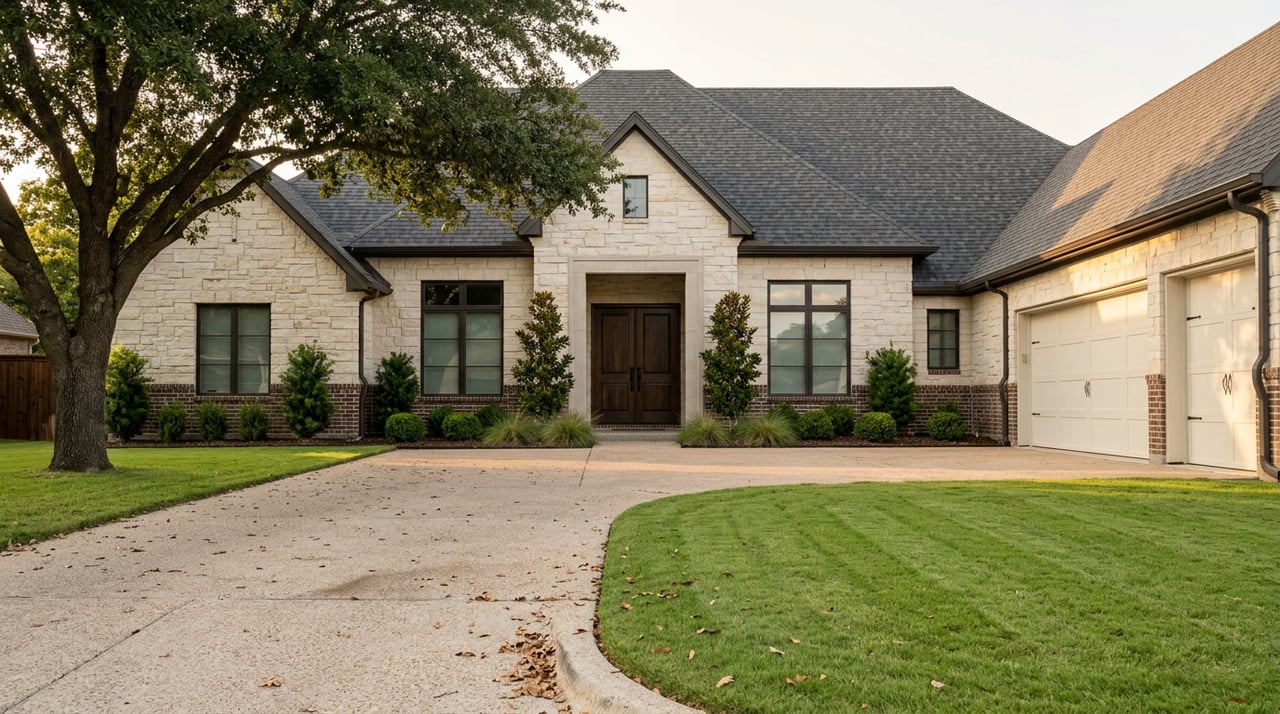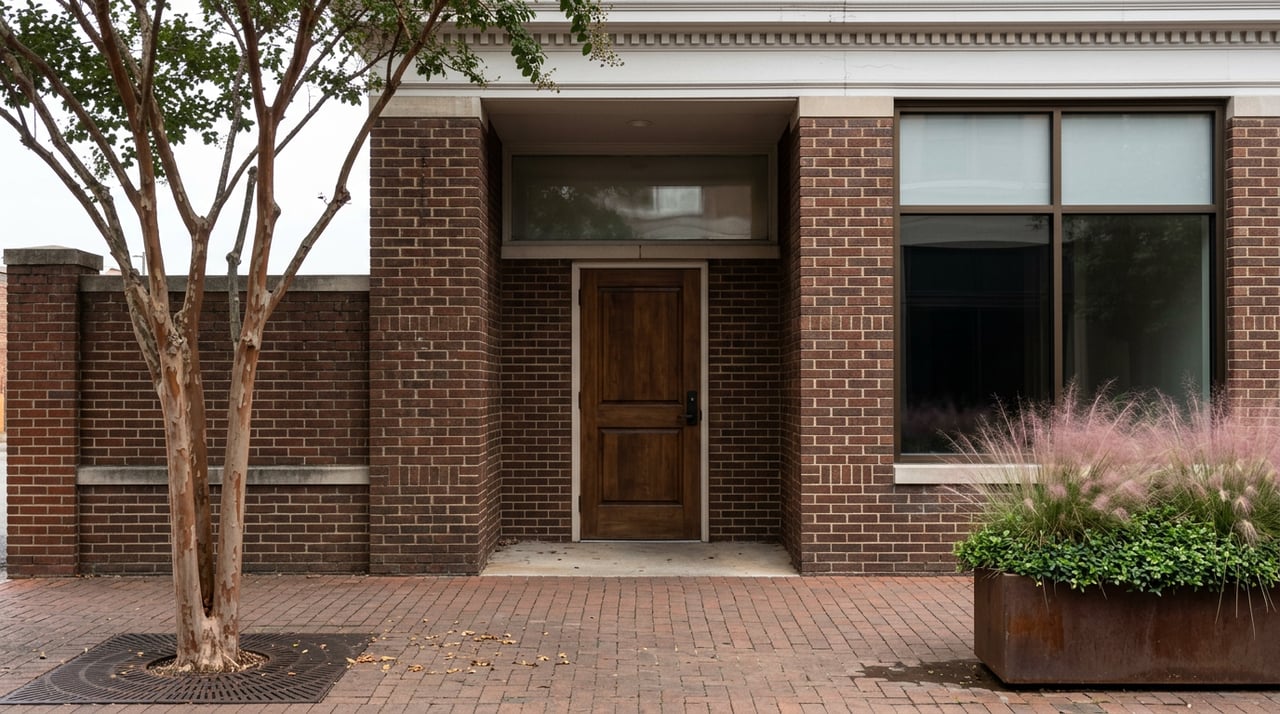
Wondering why some homes in and around Downtown Bryan seem to command such strong interest even when the broader market feels mixed? If you are buying or selling near the city core, it helps to understand that Downtown Bryan is not just another neighborhood. Its value story is tied to decades of reinvestment, a limited housing supply, and a setting that offers a very different lifestyle from a typical suburban subdivision. Let’s dive in.
Downtown Bryan's value story
Downtown Bryan did not change overnight. According to the City of Bryan, more than 25 years of steady public and private investment helped transform the area into a thriving cultural district with new retail, residential projects, and office space.
That long timeline matters for home values. In real estate, sustained reinvestment often carries more weight than a single headline project because it shows ongoing commitment to the area. For buyers and sellers, that can support confidence in the downtown market over time.
In February 2026, Historic Downtown Bryan was added to the National Register of Historic Places. The district includes 104 properties and landmarks such as the Carnegie History Center, The LaSalle Hotel, and The Queen Theatre.
That historic recognition adds to Downtown Bryan’s identity. While historic status does not guarantee value increases, it can strengthen buyer interest by highlighting the area’s character, visibility, and long-term significance.
Why revitalization can affect home values
Revitalization influences value in a few practical ways. It can improve how an area looks, functions, and feels to the people who live there and visit regularly.
In Downtown Bryan, the city’s planning has focused on residential infill, pedestrian-friendly intersections, wider sidewalks, gateways, and continued private investment. Those improvements help shape daily usability, which is often a key part of what buyers are willing to pay for.
When an area becomes easier to walk, easier to access, and more active throughout the week, housing demand can strengthen. In a smaller submarket like downtown, even a modest increase in demand can matter because there are fewer homes available at any given time.
Public projects shaping Downtown Bryan
Several public efforts continue to influence the downtown conversation. That is important because home values are often shaped by both private market activity and public investment.
Quiet Zone improvements
The Downtown Quiet Zone project would eliminate train horns at 24 improved crossings. For many buyers, noise and day-to-day comfort play a role in how they evaluate a location.
A quieter environment can improve the overall living experience near the core. While every buyer weighs this differently, projects like this can support downtown appeal in a very practical way.
Parking and access
The city’s parking program includes the Roy Kelly Parking Garage and an ad hoc parking committee. Parking may not sound exciting, but in a downtown setting it can have a real effect on convenience for residents, visitors, and business activity.
Easy access helps support the restaurants, shops, and event spaces that make downtown attractive in the first place. For homeowners, that convenience can be part of the value equation.
Mixed-use gateway project
The city also approved a 2024 mixed-use gateway project that includes public parking, pedestrian plazas, green space, and a future six-story residential phase with underground parking for roughly 400 vehicles. That kind of project signals continued confidence in downtown’s future.
For buyers, it points to a more built-out urban core. For sellers, it reinforces the idea that downtown is still evolving rather than standing still.
What current market data says
Downtown Bryan is a small and distinctive submarket, so market data needs to be read carefully. Public pricing data for the downtown core is limited, and that can make snapshots look more dramatic than they really are.
Redfin reported a median sale price of $335,000 in Downtown Bryan in February 2026, down 4.0% year over year. But that figure was based on only one sale, which means it should be treated as directional, not definitive.
For a broader comparison, Redfin reported Bryan’s citywide median sale price at $307,200 in March 2026, up 2.2% year over year. Zillow placed Bryan’s average home value at $274,647 and the broader 77803 ZIP at $203,357.
Taken together, those numbers suggest downtown properties can trade above broader city or ZIP-level averages. Still, the sample size downtown is small enough that buyers and sellers should avoid reading too much into one month or one sale.
Why downtown behaves differently
Downtown Bryan is not a standard subdivision with rows of similar homes. The residential mix includes single-family homes, apartments or condominiums, and lofts, and recent inventory has included houses, a condo, and townhouses.
That variety matters because different property types attract different buyers. A historic home near the core, an attached townhome, and a loft-style residence may all respond to the market in different ways, even if they sit within the same area.
This is one reason downtown value trends may not match Bryan as a whole. A unique housing mix in a compact, walkable area often creates a pricing pattern that feels more custom than citywide averages can capture.
Scarcity supports demand
One of the strongest value drivers in Downtown Bryan is scarcity. There is only so much walkable housing in the historic core, and that limited supply can help support demand.
The city’s planning documents have long tied residential infill to a more active downtown environment. More residents create a stronger customer base for businesses and a more lived-in atmosphere, which can make the area even more appealing over time.
That is why the most persuasive value story here is not necessarily rapid appreciation. It is steady demand for a limited number of homes in a setting that offers character, convenience, and a distinct sense of place.
What buyers should watch
If you are considering a home in Downtown Bryan, it helps to look beyond headline numbers. Because the market is small, one sale can skew the median.
Focus on comparable properties within downtown itself whenever possible. A downtown loft or cottage may not compare well to a larger home in another part of Bryan, even if the square footage looks similar on paper.
You should also pay attention to the property’s context. Walkability, access to Main Street businesses and events, parking convenience, and the condition of the home can all affect value in a more noticeable way than they might in a larger neighborhood.
If a property may fall within a historic-preservation overlay or related designation, verify that before planning exterior changes. That step is especially important if you are buying with renovation ideas in mind.
What sellers should know
If you own a home in or near Downtown Bryan, your pricing strategy should reflect the area’s niche appeal. Buyers are often drawn to the character and lifestyle of downtown, but they still want clear evidence for value.
That means strong comparable analysis matters. Instead of leaning too heavily on broader Bryan or ZIP-code averages, sellers usually benefit from a more targeted look at downtown sales, active listings, and property-specific features.
It also helps to tell the full story of the location. Proximity to the downtown core, access to events and businesses, parking advantages, and the character of the home itself can all shape buyer perception.
The bigger picture for home values
Downtown Bryan’s revitalization shapes home values by making the area more functional, more visible, and more desirable over time. Public improvements, historic identity, and a distinctive housing mix all play a role.
The data does not support a simple claim of straight-line appreciation. What it does support is a case for steady interest in a scarce, walkable submarket that continues to benefit from long-term investment.
If you are buying or selling here, that local context matters. A neighborhood-level strategy is usually far more useful than a broad citywide snapshot when you are making real estate decisions in Downtown Bryan.
If you want help understanding how Downtown Bryan’s revitalization may affect your next move, connect with Laura Lea Smith for local guidance, neighborhood insight, and a personalized home value conversation.
FAQs
How does Downtown Bryan revitalization affect home values?
- Downtown Bryan revitalization can support home values by improving walkability, infrastructure, parking access, and overall appeal, while also reinforcing demand for limited housing in the city core.
Are Downtown Bryan home prices higher than Bryan overall?
- Recent data suggests downtown properties can trade above broader Bryan averages, but the downtown sample size is small, so pricing should be evaluated with downtown-specific comparable sales.
Why is Downtown Bryan market data harder to interpret?
- Downtown Bryan is a small submarket with limited sales activity, so one sale can have an outsized effect on median price data in a given month.
What property types are common in Downtown Bryan?
- Downtown Bryan includes a mix of single-family homes, apartments or condominiums, lofts, townhouses, and adaptive-reuse residential spaces.
What should Downtown Bryan buyers verify before remodeling a home?
- Buyers should verify whether a property is located in a historic-preservation overlay or related designation before making plans for exterior changes.
What should Downtown Bryan sellers emphasize when listing a home?
- Sellers should highlight location-specific factors like walkability, access to Main Street businesses and events, parking convenience, and the unique character of the property.