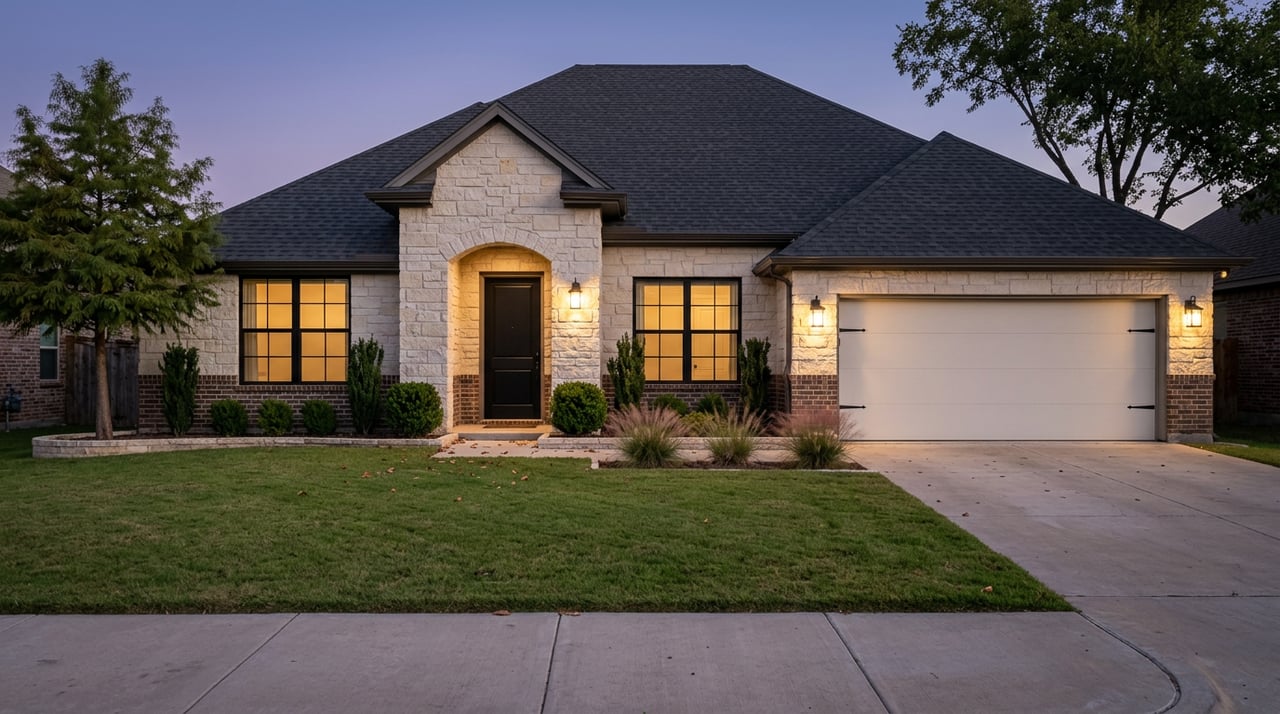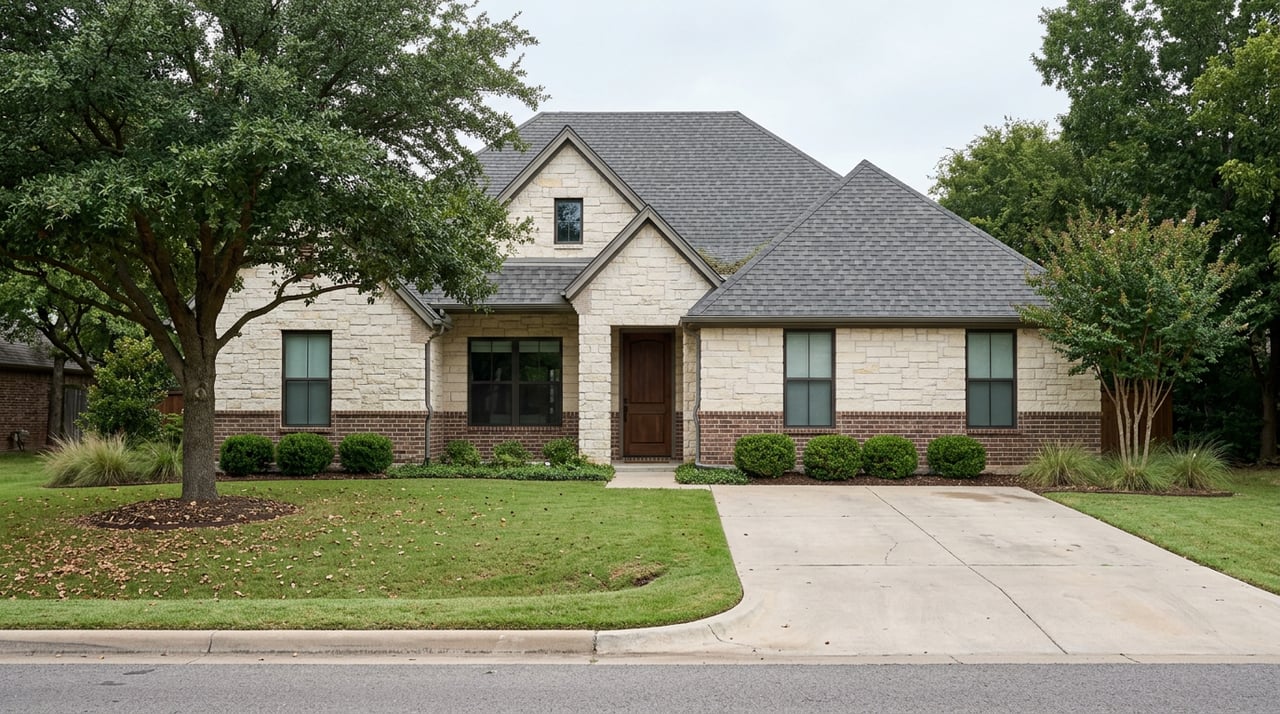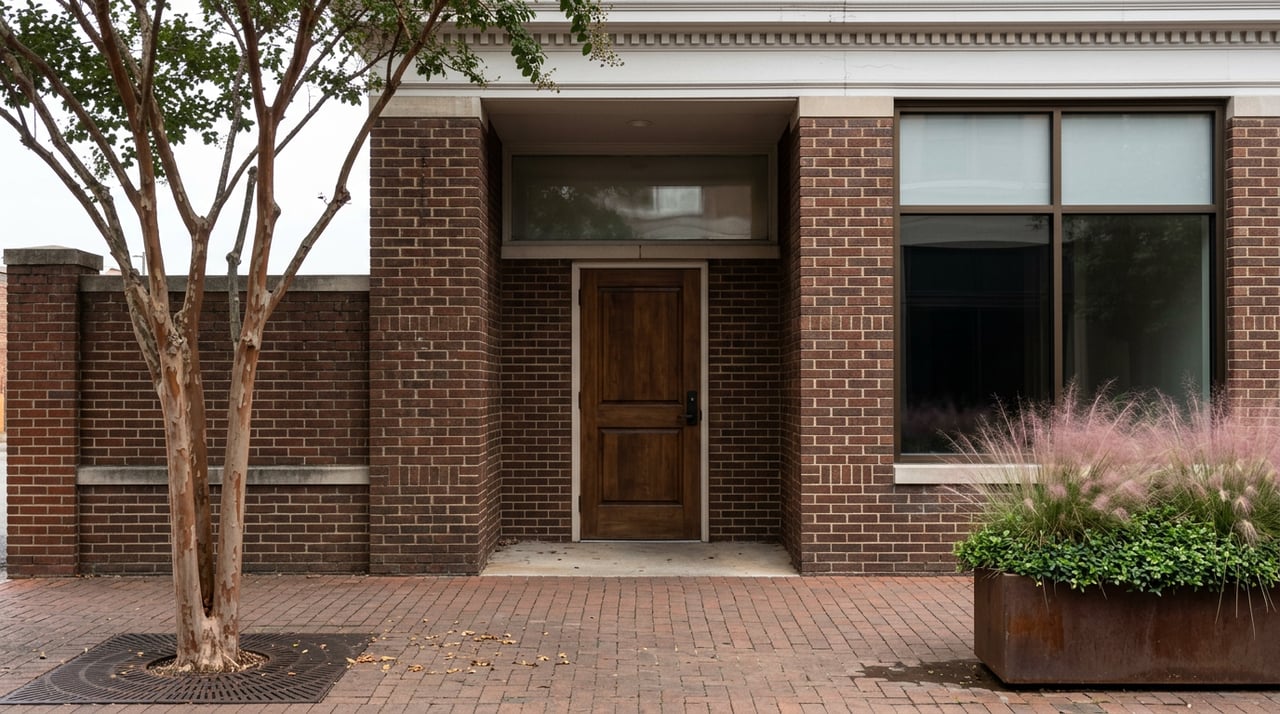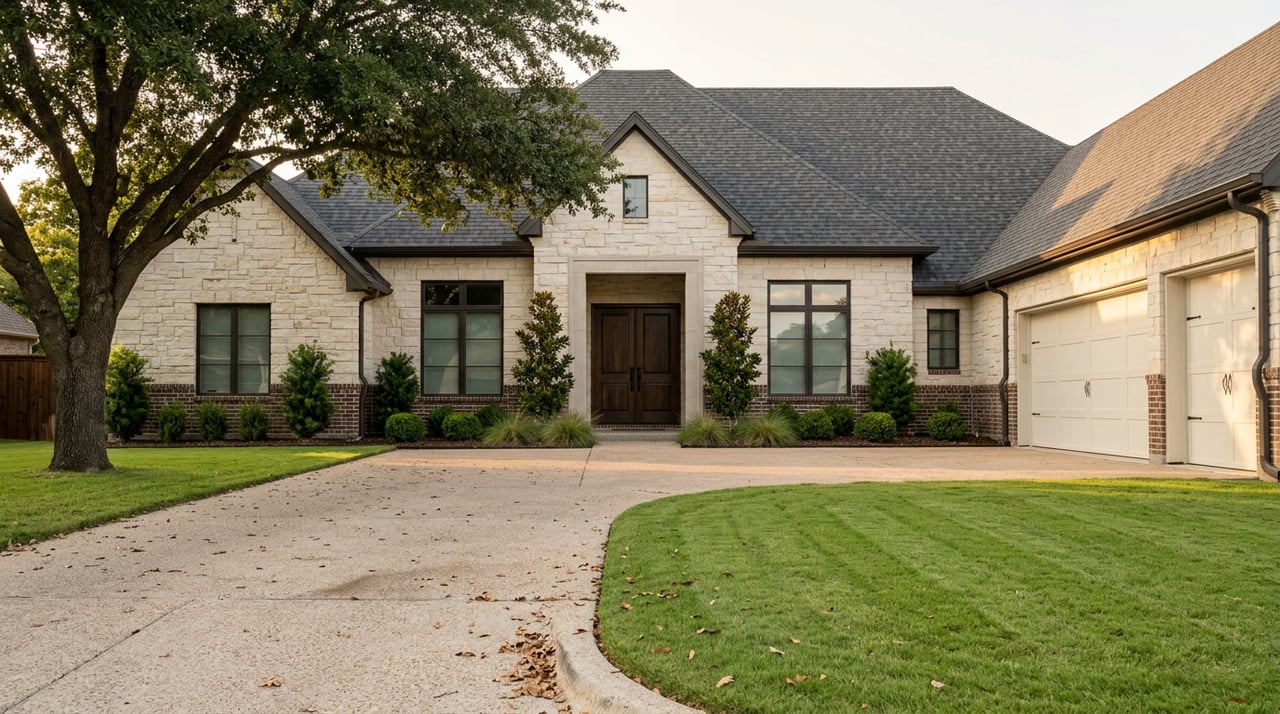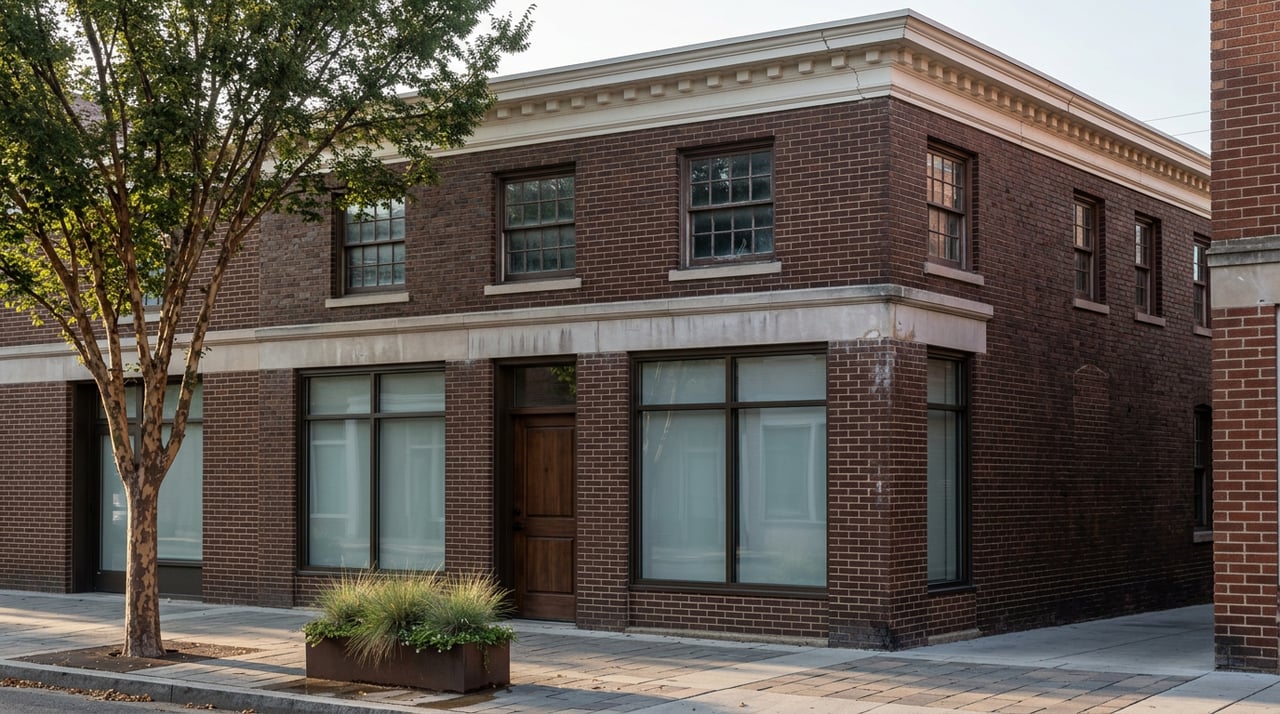
In February, the Texas Historical Commission added the Downtown Bryan Historic District to the National Register of Historic Places. The LaSalle Hotel, the Queen Theatre, and the Carnegie History Center led the coverage, and City of Bryan planning administrator Allison Kay called it recognition of the investment people had already made downtown. It read like unambiguous good news for anyone who owns a piece of that district.
It is good news. It is just not the same good news for everyone who owns property inside those boundaries.
The federal and state tax credits tied to this kind of listing both carry a rule that got no airtime in the celebration: owner-occupied residential property does not qualify. Not partially. Not with an exception for character-defining features. Excluded, full stop, in both programs. If you live in your Downtown Bryan house, the credit that made national headlines is not available to you. If you own a building down the street and rent it out, or run a business out of it, it might be one of the more useful financial tools in Brazos County right now.
That distinction matters more this year than it would have two years ago, because the Downtown Bryan market these buildings sit in has slowed down at the same time the incentive got sharper for one kind of owner and stayed flat for the other.
What the Listing Actually Covers
The Downtown Bryan Historic District was originally platted by the Houston & Texas Central Railroad in 1866 and grew into a 37-acre commercial core built on cotton and agricultural trade. The National Register nomination covers 104 built resources, 91 of them classified as contributing structures, spanning styles from practical American Commercial storefronts to Queen Anne, Art Deco, Streamline Moderne, and Mid-Century Modern buildings.
Being listed on the National Register is a federal recognition of historic significance. It is not the same thing as Bryan's local historic district overlay, which is what actually governs the Certificate of Appropriateness process for exterior changes, roof replacements, and masonry work inside the city's historic zones. That local review process existed before this designation and continues on its own track. The National Register listing does not add a new layer of renovation approval for a homeowner. What it adds is eligibility for a set of tax programs, and those programs have a narrower target than the headline suggests.
The Eligibility Line Nobody Highlighted
Two programs apply to buildings in a National Register district: the federal Historic Rehabilitation Tax Credit and the Texas Historic Preservation Tax Credit. Both are built around the same basic requirement, and it is worth putting side by side.
| Federal Rehabilitation Tax Credit | Texas Historic Preservation Tax Credit | |
|---|---|---|
| Credit rate | 20% of qualified rehabilitation costs | 25% of qualified rehabilitation costs |
| Administered by | National Park Service and IRS, with Texas Historical Commission review | Texas Historical Commission |
| Eligible use | Income-producing only: commercial, industrial, agricultural, or rental housing | Income-producing or nonprofit use only |
| Owner-occupied home | Not eligible | Not eligible |
| Credit applied against | Federal income tax | Texas franchise tax or insurance premium tax, and the certificate can be sold |
Both programs require the building to generate income. A house someone lives in, no matter how many contributing features it has, does not meet that bar under either program. The Texas Historical Commission's own guidance states plainly that owner-occupied residential properties are not eligible for the federal credit, and the state program mirrors that restriction.
There is one smaller benefit that does reach homeowners directly: a state sales tax exemption on labor for work performed on any National Register-listed building, without the income-producing requirement attached to the two big credits. It is real, and it is worth asking a contractor about before a big rehab job. It is also nowhere near the scale of a 20 to 25 percent credit on total project cost.
Who the Math Actually Favors
Run the numbers on a realistic project. Say a downtown Bryan building needs $150,000 in qualified rehabilitation work, new wiring, window restoration, structural repair, the kind of work a 90-year-old commercial building on this list is likely to need.
An owner-occupant doing that work on their personal residence gets no credit from either program. The math is a wash on both, and the incentive doesn't change the decision at all.
An owner who converts that same building, or a similar one nearby, into rental units or ground-floor retail with residential above can potentially recover 20 percent through the federal program and stack another 25 percent through the state program if the project qualifies for both, which the Texas Historical Commission actively encourages by processing the applications together. That is the difference between zero dollars back and a meaningful reduction in project cost, assuming the work meets the Secretary of the Interior's Standards for Rehabilitation and clears the substantial rehabilitation test, which requires qualified expenses to exceed the building's adjusted tax basis or $5,000, whichever is greater.
That test, and the three-part application process it triggers with the National Park Service, is not a weekend project. It is the kind of calculation an investor weighing a downtown Bryan property against other options in Brazos County will actually run before making an offer. For anyone thinking about that math, our guide to investing in Downtown Bryan rentals covers the rest of what a rental conversion downtown involves.
Why the Timing Sharpens This
None of this happens in a vacuum. The same months that brought the National Register designation also brought a noticeably softer Bryan-College Station market.
A Coldwell Banker Apex agent told KBTX in a late July segment that listings in June 2026 were up 26 percent compared to June 2025, while closed sales volume was down 12 percent over the same period, a gap she called significant. A separate June 2026 report put active inventory across Bryan-College Station at roughly 1,300 homes, about 30 percent more than the typical level from the year before, with days on market stretching past 100. Texas A&M Real Estate Research Center economist Yanling Mayer attributed part of the slowdown to mortgage rates, noting that average seller price cuts had reached about 3 percent of initial asking price, translating to roughly $9,000 to $10,000 off a typical College Station listing.
Put those two threads together and the picture for Downtown Bryan gets specific. Sellers of historic single-family homes are competing in a market with more inventory, longer timelines, and real price concessions, and the National Register listing does nothing to change that math for them financially. Meanwhile, an investor looking at an income-producing historic building downtown is evaluating that same soft market alongside a tax credit that just became more clearly available on paper. A slower market with more room to negotiate, paired with a credit that can offset a quarter of rehab costs, is a different opportunity than the same slow market without it.
What This Means Depending on Which Side You're On
If you own or are buying a Downtown Bryan property you plan to live in, the National Register listing is worth understanding for what it protects and signals, not for what it pays. It confirms the district's historic character is documented at the federal level, which can matter to future buyers who value that pedigree, and it opens the door to the labor sales tax exemption on qualifying repair work. It does not lower your renovation bill through either major credit program, and your local Certificate of Appropriateness obligations, covered in our guide to preparing a historic Downtown Bryan home to sell, haven't changed.
If you are looking at a downtown building as an income property, this is the moment to run the actual numbers rather than assume you don't qualify because a story about historic homes made it sound residential. Ask whether the building is already a contributing structure in the district or would need its own nomination, whether your renovation budget clears the substantial rehabilitation threshold, and whether stacking the federal and state credits changes your offer price.
A Few Questions Worth Asking Before You Assume Either Way
Does the National Register listing restrict what I can do to my house? No. That's the job of Bryan's local historic overlay and Certificate of Appropriateness process, which existed before this designation and operates separately from it.
I own a small rental downtown. Do I automatically get the credit? No. You have to apply through the three-part National Park Service process, meet the Secretary of the Interior's Standards for Rehabilitation, and clear the substantial rehabilitation cost test. It's a real credit, but it comes with real paperwork.
Is there any benefit at all if I live in my historic home? The state sales tax exemption on labor for work on a listed building applies regardless of use, so ask your contractor whether a project qualifies. Beyond that, the value is in the building's documented significance, not in a tax line.
Downtown Bryan's history is a genuine asset. Knowing exactly which part of the story pays and which part doesn't is what separates a good decision from an assumption. If you're weighing a purchase, a sale, or a rehab project inside the district, Life On The Brazos Group can walk through the specifics with you and help you figure out where your property actually sits in this math. Schedule a Free Consultation and Home Valuation to start that conversation.